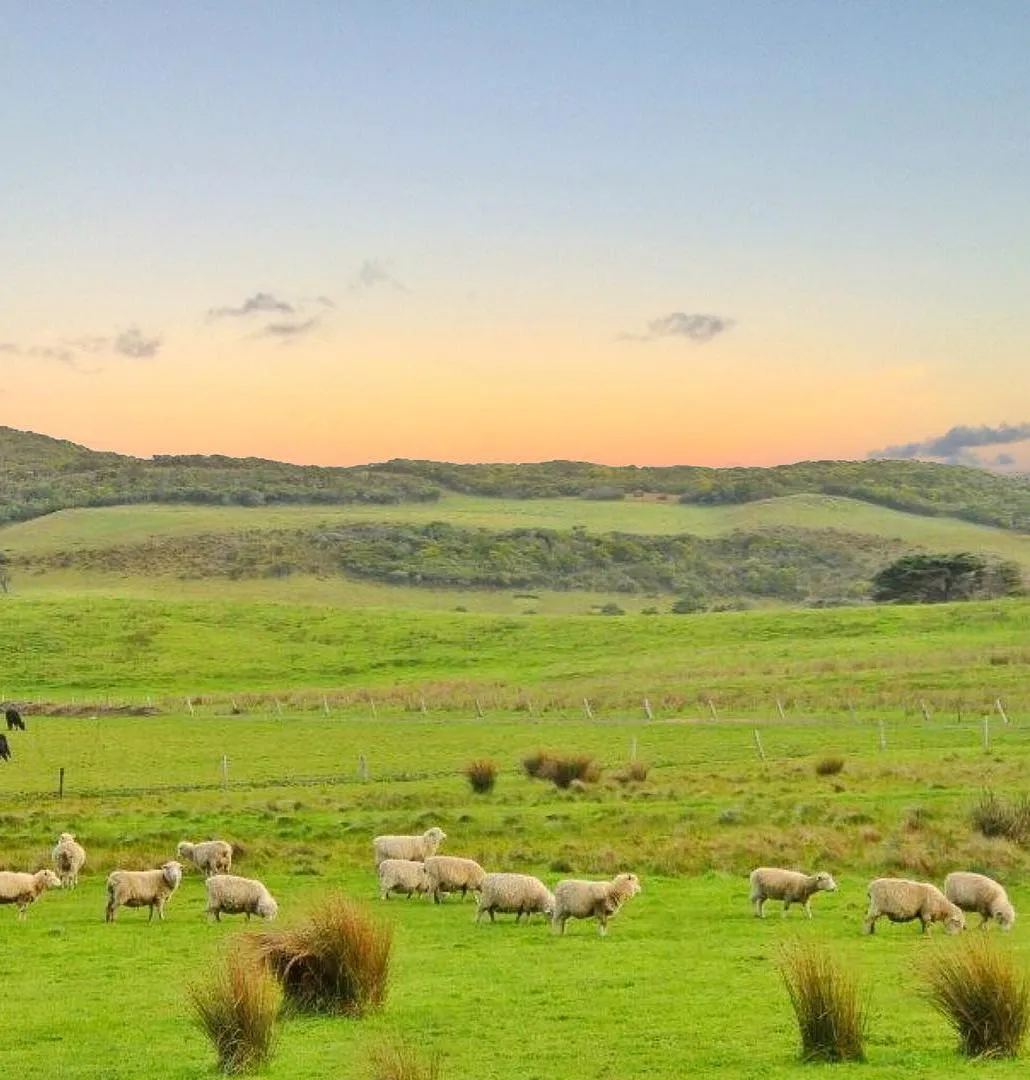
3-day multi-day hike along the Great Ocean Road worth it, and how do you plan it properly? It’s absolutely worth it as long as you enjoy working for the views, aren’t going to be too fussed if you get a bit hot and sweaty, and can at least keep your own organisation together better than your GPS when it’s in a bit of a pickle.
I’ve spent a fair bit of time walking bits of the Great Ocean Walk, starting in the area just outside of Apollo Bay and pushing westwards to Johanna Beach. And to be blunt, this isn’t some sort of lazy saunter along the beach. It’s a serious hike – you’ll be dealing with coastal cliffs, sandy bits and actual forest climbs through the lovely Great Otway National Park.
Most people tend to stick to a Great Ocean Road day trip or join one of those Great Ocean Road tours from Melbourne – and that’s fair enough – it’s a really great drive. But the minute you step off the main road and onto the track, you quickly realise just how much you’ve been missing.
If you plan it right, a 3-day self-guided walk along Victoria‘s Great Ocean Walk is a great mix of bush, ocean, and solitude – without having to worry about fancy expedition-level logistics.
What Makes This Walk Worth The Effort
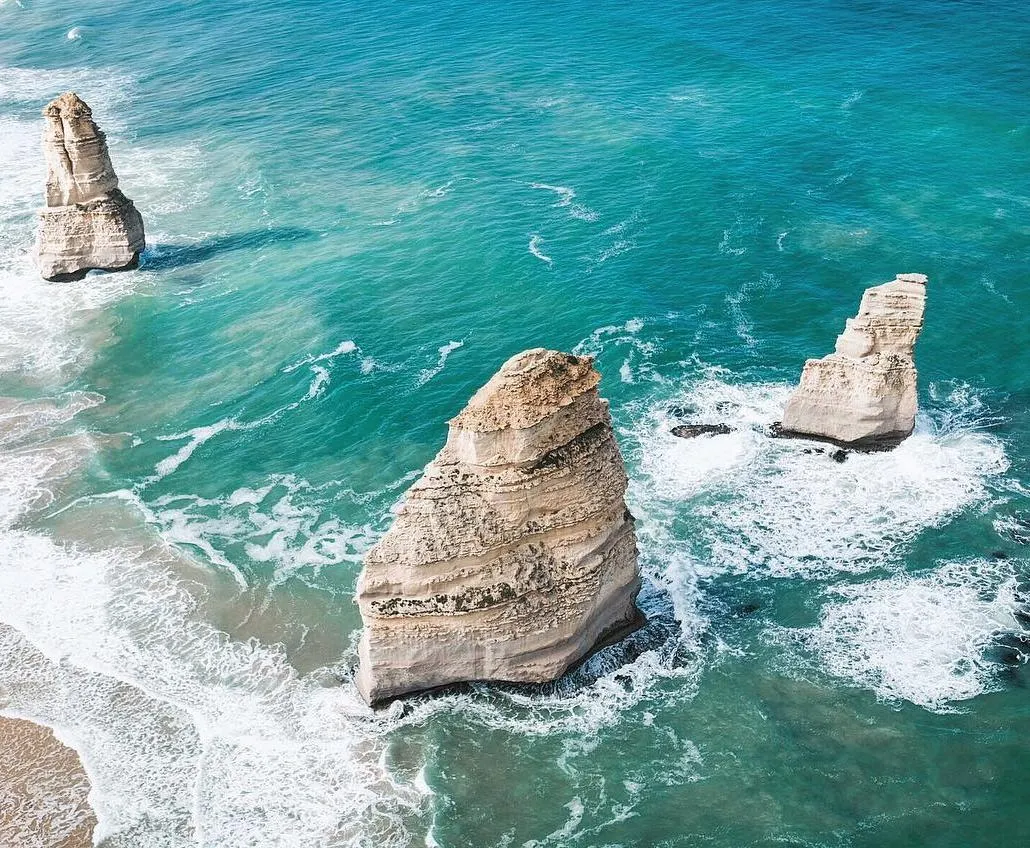
This isn’t just about ticking off the 12 Apostles, Loch Ard Gorge, or London Bridge from a crowded vantage point – it’s about taking your time and actually walking the Shipwreck Coast. It’s about feeling the breeze, hearing the waves, and taking in the view instead of just parking your car right next to it.
A 3-day hike gives you just enough time to get into a good rhythm without killing your knees or blowing out your annual leave.
You’ll move through sections of towering coastal cliffs, drop into cool pockets of Eucalyptus forest in the Otway Ranges and stumble upon some of the quieter spots like Wreck Beach and Milanesia Beach that most people on the Melbourne to Great Ocean Road tour never even see. They might glance at these areas from a distance – you’ll actually get to walk through them.
The Best 3-Day Route (Tried, Tested, And Slightly Sweaty)
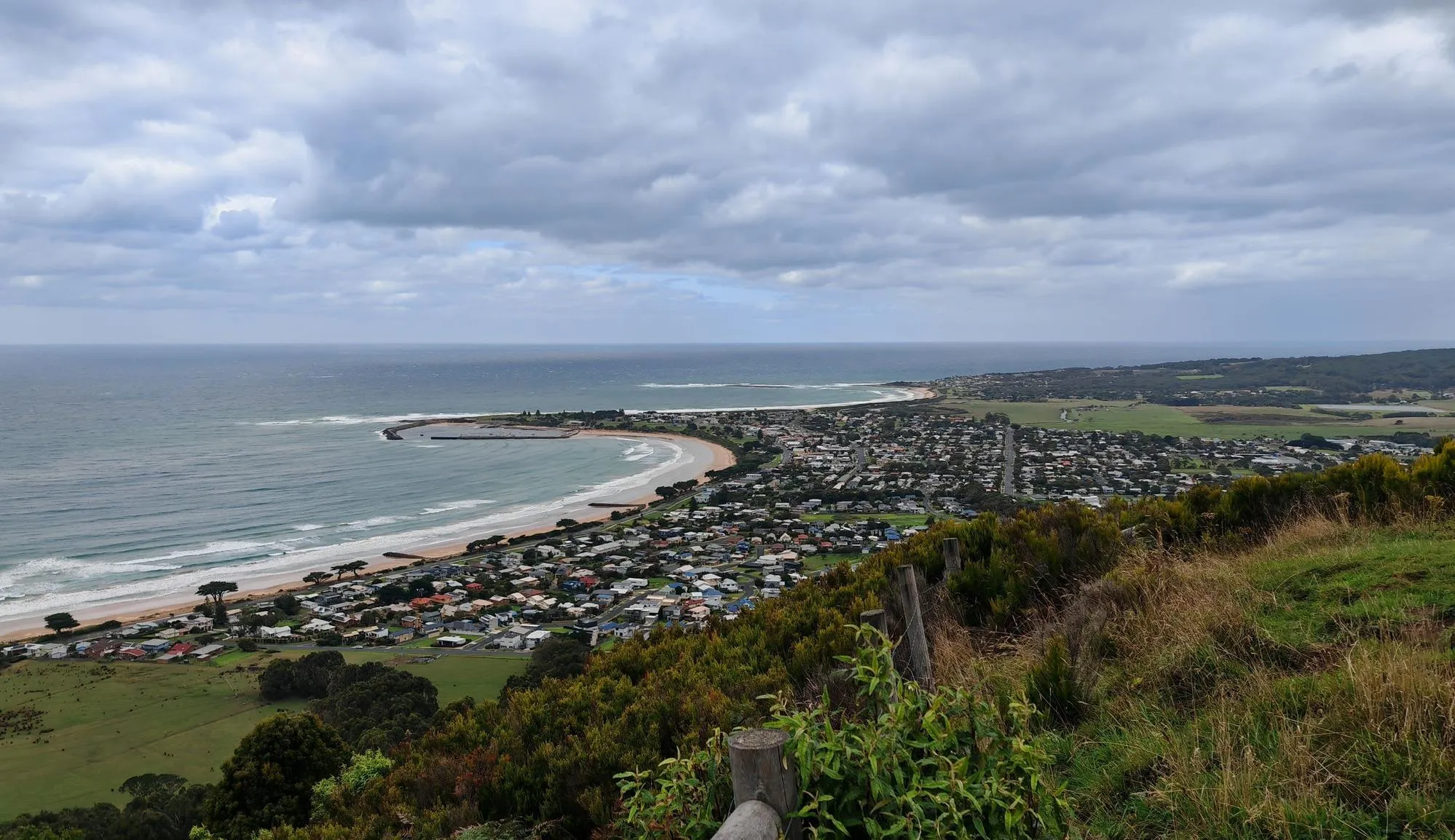
You don’t have to tackle the whole 110-kilometre track. A focused section between Apollo Bay, Blanket Bay, and Johanna Beach is probably your best bet if you want a good mix of terrain and scenery.
Suggested 3-Day Itinerary
| Day | Section | Distance (km) | Time (hrs) | Notes |
| Day 1 | Apollo Bay → Blanket Bay | ~13 km | 5–6 hrs | Coastal climbs, forest tracks |
| Day 2 | Blanket Bay → Cape Otway | ~22 km | 7–8 hrs | Long day viaRyans Den |
| Day 3 | Cape Otway → Johanna Beach | ~14 km | 5–6 hrs | Beach walking, open views |
Total distance comes in at 49 kilometres – enough to make you feel like you’re getting a good hike done without pushing it too far.
Day two is likely to be one you’ll be remembering for a while yet. That’s because it takes you past the historic Cape Otway Lightstation, across ridgelines near Ryans Den, and through some of the most beautiful scenery this whole track has to offer. It’s also the day you’ll start to feel your legs complaining, big time.
When To Go (And When To Avoid It Like A Dodgy Servo Pie)
The Great Ocean Road might look like a postcard-perfect spot whenever you look at it, but trust us, conditions can change in a hurry out here.
Spring and autumn are probably your best bets – you get mild temperatures, winds that aren’t too troublesome, and much smaller crowds through the Great Otway National Park. Summer can get pretty hot and also bring the risk of bushfires, while winter just brings rain, strong winds, and a real challenge to staying on your feet.
I remember getting caught in a winter gust down near the Cape Otway Lighthouse once and nearly getting blown off the track. Lesson learned – always check the forecast and tide charts, especially if your route involves beach walking.
What You Need To Plan Before You Lace Up
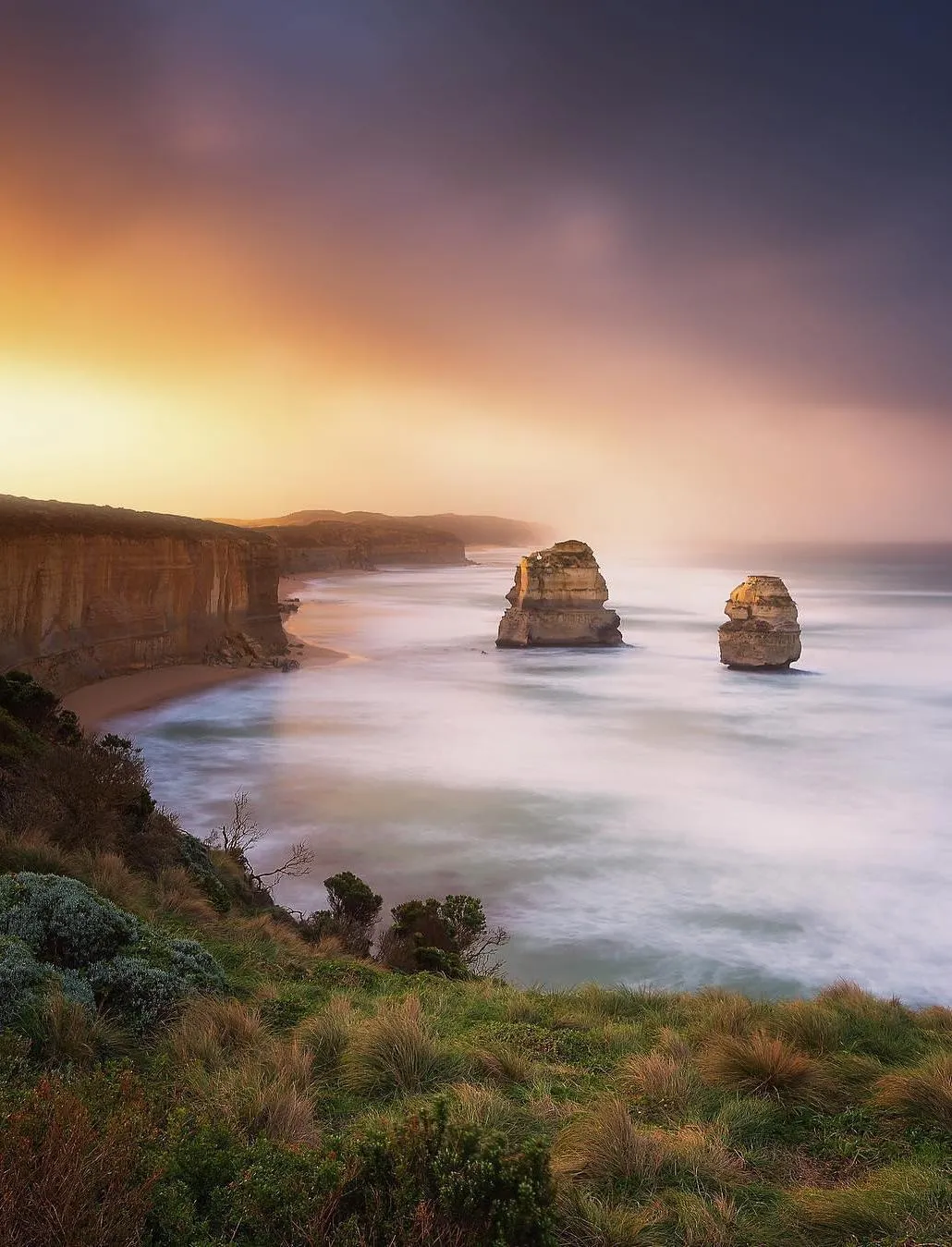
This is where most people tend to get things wrong. The track itself is easy to follow – but you need to think about the logistics.
Permits And Bookings
- Campsites within Great Otway National Park
- Book through Parks Victoria
- Limited spots available, especially at peak times
Transport Logistics
Organise a car shuffle or shuttle from Princetown Recreation Reserve or nearby towns.
There are public transport options, such as V/Line buses, but you need to plan ahead.
If you don’t want to sort out transport, there are some operators like Autopia Tours that run flexible options as part of broader Great Ocean Road tour from Melbourne – which might be worth considering if you need a hand getting back and forth.
Water And Supplies
Tank water at camps isn’t always available
You should be carrying at least 2-3 litres of water per day
Packing List That Actually Works (Not Instagram Fluff)
Pack light, don’t be silly. This is a hike, not a stroll between cafes.
Essentials Checklist
- A lightweight tent or some other kind of shelter
- A sleeping bag
- A decent pack (40-60L)
- Good boots
- A rain jacket
- A headlamp
- A portable stove
- Good high-energy food
- A first aid kit – you never know what might happen
Extras Worth Carrying
- Trekking poles
- Electrolytes
- A personal location beacon (PLB)
- A power bank to keep your phone going
Real-World Conditions You’ll Want To Know
This track doesn’t mess around. It’s not some flat, tidy path from start to finish.
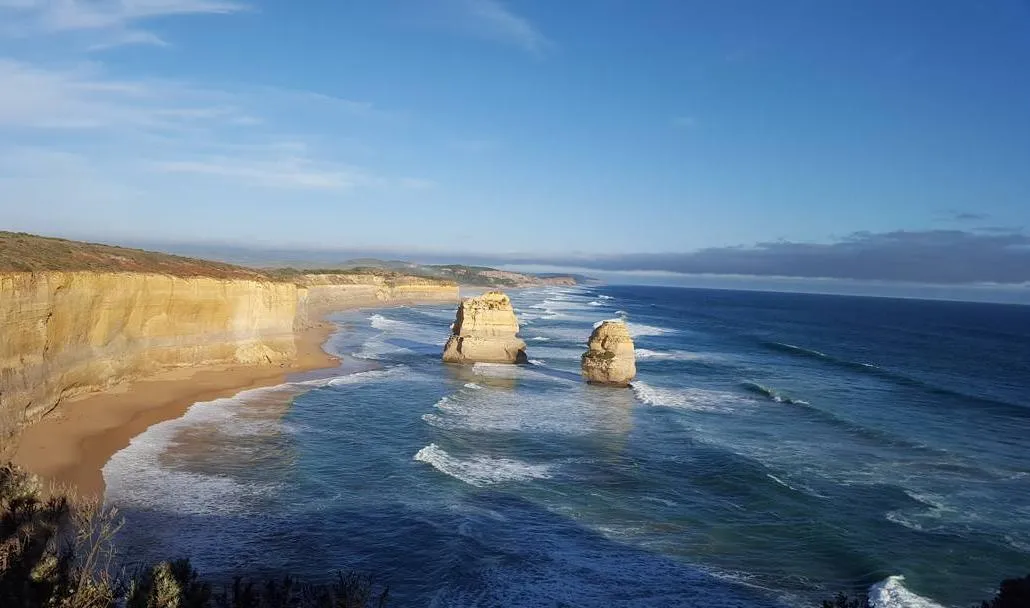
You’ll get soft sand at Johanna Beach, steep climbs along exposed cliffs, and some seriously dense forest in the bits around Eliot Ridge. Some bits are like the Maits Rest Rainforest Walk, but others open onto a wide, rugged coastline, all carved from limestone stacks.
It’s all part of the broader Shipwreck Coast, the same stretch that includes the Twelve Apostles Marine National Park. The only difference is that out here, you won’t be stuck in a crowd of other tourists.
Cost Breakdown (What You’ll Actually Spend)
| Item | Estimated Cost (AUD) |
| Campsites (2 nights) | $40–$60 |
| Food (3 days) | $60–$120 |
| Transport/Shuttle | $50–$150 |
| Gear (if needed) | $0–$500+ |
Total typical cost: $150–$300 (excluding major gear)
Prices are indicative as of 2026 and may vary.
Mistakes I’ve Seen (And Made Myself)
Some of the most common errors keep popping up every season – and I’m guilty of making a few of them myself:
- Trying to guess how far you’ve got to walk (don’t do that).
- Not packing the rain gear (and with the weather around here, that’s a recipe for disaster).
- Overlooking the tide charts.
- Underestimating just how isolated parts of the Shipwreck Coast can be.
Loads of people zip along the Great Ocean Road for a day, but the minute you put your hiking boots on, the stakes are a lot higher – and things can go wrong fast.
Final Verdict From Paul: Should You Do It?
A 3-day hike along the Great Ocean Walk in Victoria? If you’re well-prepared, then yes – it’s totally worth it.
You’ll be able to bypass the crowds of Port Campbell National Park and sidestep the chaos at the 12 Apostles – and experience the coastline the way it was meant to be seen: at a gentle pace, with time to take it in and a sense of actually having seen it all.
If all you want is a taste of the coast without too much fuss, then this is the way to go – but if you’re looking for an easy day out, stick to the car parks or jump on a tour from Melbourne and call it a day.
FAQ
Is this hike any good for beginners?
Yeah, if you’ve got some beginners basic fitness, but don’t expect it to be a piece of cake. It’s not technical, but it’s far from easy.
Can you do it without camping?
Honestly, I haven’t seen anyone do it without camping over 3 days – it’s a key part of the experience.
Is it safe to hike on your own?
Generally, yes – but carry a PLB and let someone know where you’re going and when you’ll be back, just in case.
How tough is the going really?
It’s moderate to hard, so don’t expect it to be a stroll in the park: you’ll be dealing with hills, sand, and uneven tracks.
Do you need to go with a guide?
No, but guided tours are available if you want a bit of support.