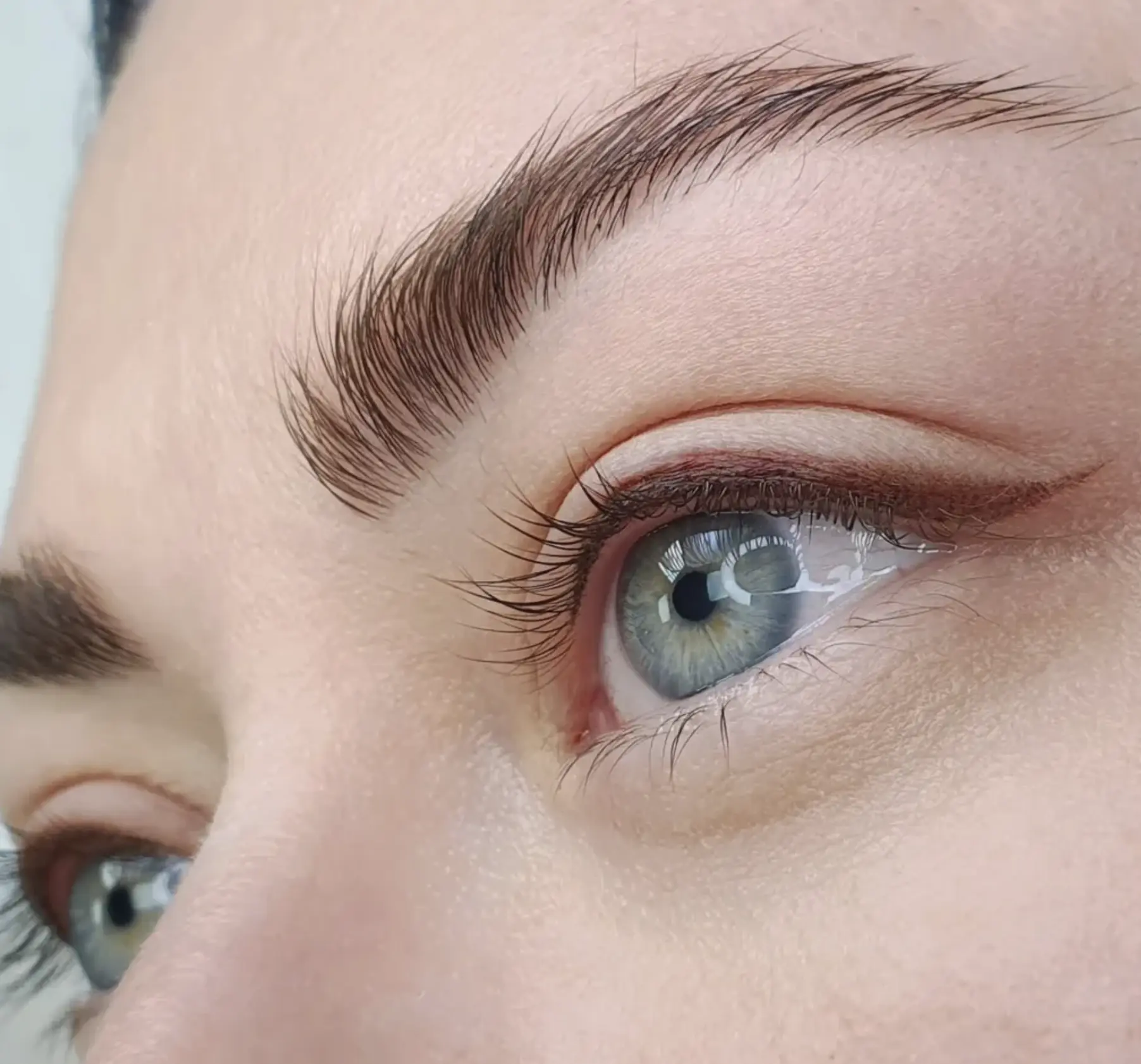
Where can you learn the ‘Pixel Shading’ technique for eyeliner? I get asked this a fair bit in the chair – usually by artists who’ve dabbled in a cosmetic tattoo course & are now realising that just following some Instagram tutorials on fake skin just doesn’t cut it in real life.
At Cosmetic Tattoo Studio Melbourne Face Figurati, I’ve seen the whole spectrum – from gorgeous, subtle lash enhancements that look amazing, to eyeliner tattoos that have been overdone & look terrible after a few years. And every time, the difference comes down to having the right training – pixel shading isn’t something you just pick up, it takes time, consistent practice & refinement to get right.
So let’s go through where you can actually learn this, and how to avoid the common pitfalls that leave artists second-guessing their work.
Why This Soft Method Is Taking Over In Melbourne
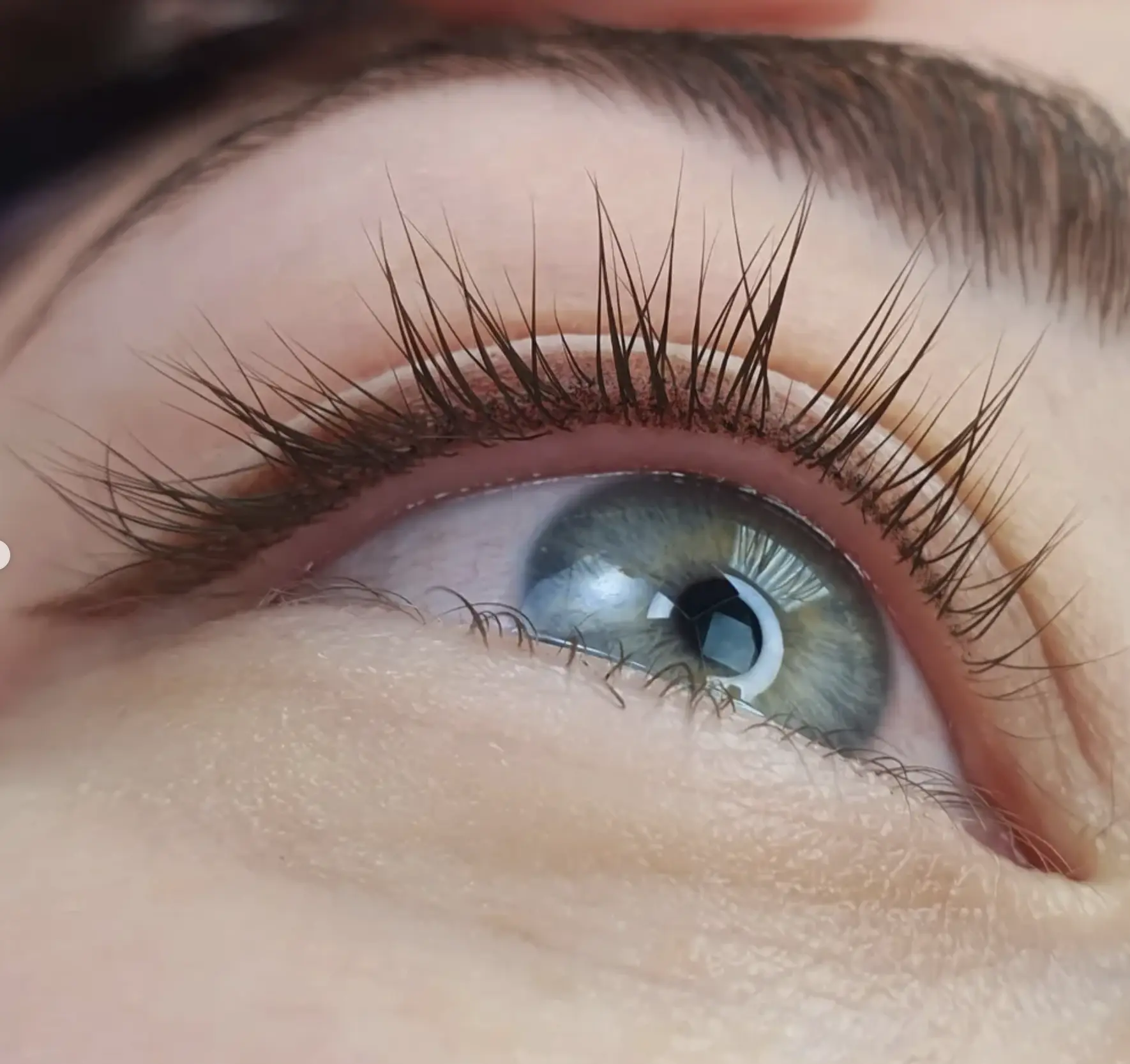
Pixel shading isn’t about drawing a line – it’s about creating a soft, subtle density using a digital tattoo machine. Think of it like adding mist to a lash line, rather than just slapping on some solid block eyeliner.
In Melbourne, our clients are moving away from heavy, harsh eyeliner looks. They want something softer, more wearable, and will last long term – especially for those with mature skin or hooded lids.
When I do eyeliner tattooing using pixel shading, I focus on:
- Soft gradient saturation
- Lash line definition without bulk
- Controlled pigment layering
- Minimal trauma to delicate eyelid skin
This is done using a digital machine, not a manual eyeliner technique – that’s why having the right cosmetic tattoo training is key.
What To Look For In A High-Quality Training Program
I’m going to be honest with you – not every cosmetic tattoo training program is worth your time & money.
At Cosmetic Tattoo Studio Melbourne Face Figurati, we meet artists all the time who’ve completed a course but still feel unsure about doing eyeliner – and it’s usually the same reason: not enough hands-on practice, not enough focus on how real skin behaves.
A good training program should take you beyond just the theory – it should teach you about how pigment behaves, how skin reacts, & how to adjust your technique on the fly.
Here’s what actually matters:
- Supervised work on live models
- Proper infection control training (not just a quick overview)
- In-depth eye anatomy understanding
- Clear pigment mixing guide
- Practical machine techniques using a professional PMU device
If those elements are missing, the course just won’t prepare you for dealing with real clients.
Training Pathways That Actually Build Skill
There’s more than one way to get the job done when it comes to learning – but not every route leads to real confidence in your skills.
Advanced Eyeliner Upskilling
This is the option for artists who already have a solid foundation in basic cosmetic tattooing.
Here you’ll learn to take your skills to the next level with:
- Pixel layering techniques
- Eye shape customisation
- Correction strategies to minimise pigment migration
This is where the pros level up and take their game to the next level.
Full Beginner Programs
If you’re brand new to the world of cosmetic tattooing, a full course is where you need to start.
These comprehensive courses usually cover:
- Brow tattooing
- Lip blush tattoo courses
- Eyeliner tattooing
A lot of students start with a lip blush tattoo course, only to find out later that eyeliner is a whole different ball game requiring an entirely different level of control and technique.
Always do your research and check the course structure, the dates it’s about to kick off, and, most importantly, how much hands-on practice you’ll actually get.
Machine Conversion Training
If you’ve trained in manual methods or even done a fine line tattoo course, you’re going to need to learn how to work with machines to take your skills to the next level.
This includes:
- Getting the hang of depth control
- Mastering speed and stability
- Understanding how pigment behaves in the skin – a crucial skill to get right if your results are going to look anything like what you want them to.
Skip this step, and your results will look inconsistent.
Essential Skills Every Student Must Learn
Let’s keep it real — if these aren’t included, you’re not getting proper training.
Core Learning Components
| Training Element | Why It Matters |
|---|---|
| Machine mastery | Controls depth, speed, and trauma |
| Needle selection | Impacts softness and blending |
| Pigment theory | Reduces risk of pigment migration |
| Eye anatomy | Prevents damage to delicate skin |
| Infection control | Required for safe practice |
| Live models | Builds real confidence |
| Portfolio photography | Helps document and grow your work |
According to Australian standards for skin penetration services, infection control is mandatory in any cosmetic tattoo training environment.
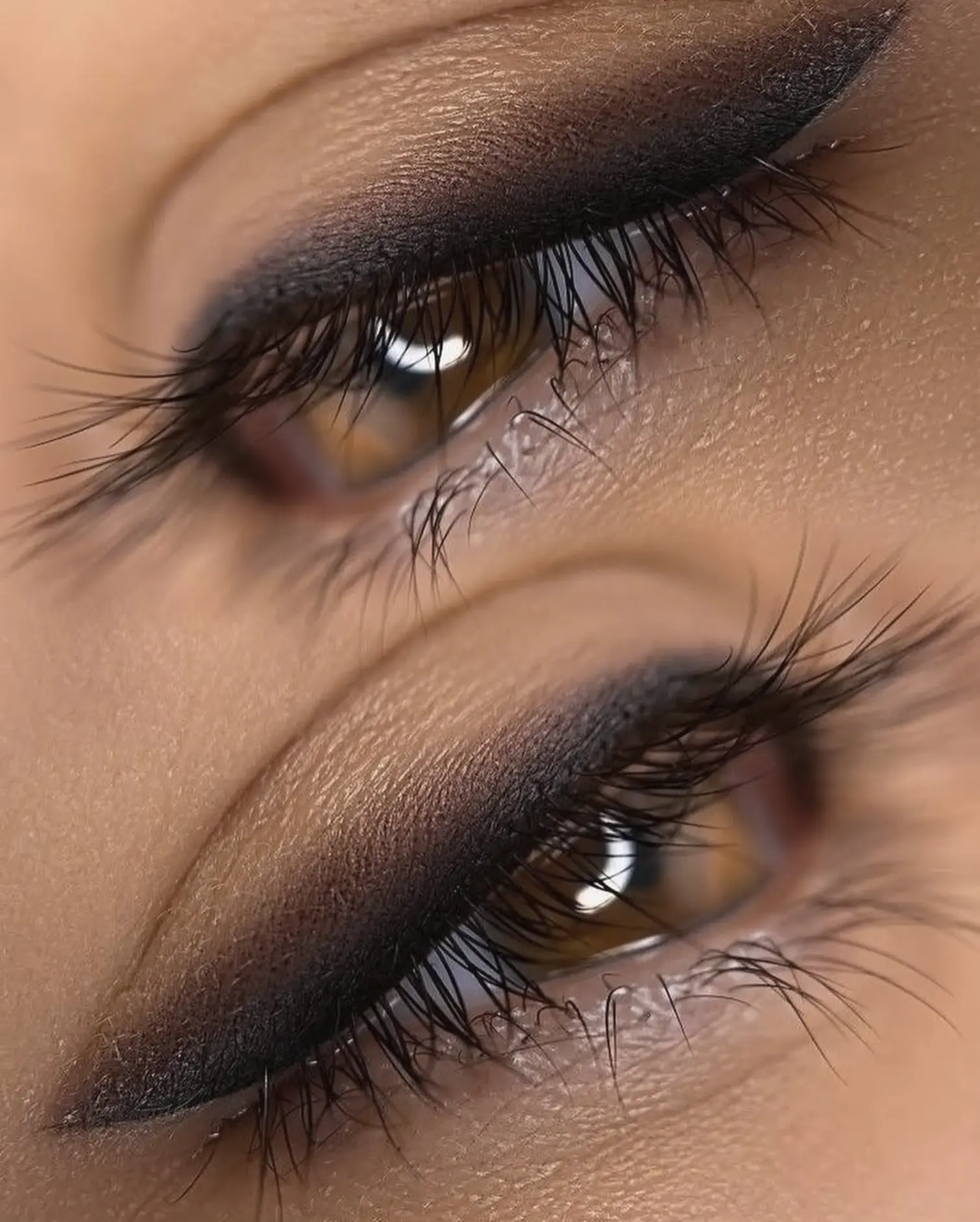
A Real Client Case From The Studio
A client Cosmetic Tattoo Studio Melbourne Face Figurati. She’d had a pretty rough deal on her previous eyeliner tattooing – the line had healed really unevenly, and the edges had gotten all blurred.
What went wrong?
The artist used way too much pressure and basically skipped the proper layering. That meant the pigment just spread under the skin, which is basically what you call classic pigment migration – not what we want.
Fixing it is no easy job, let’s be honest. It often involves coming back multiple times, and in some cases, even removing the whole thing. That’s why it’s worth keeping an ear out for how to get a good tattoo removal price – but hopefully, you never need to go down that path.
How To Prepare Before You Enrol
Before you commit to any cosmetic tattoo training, make sure you’ve got the following sorted:
- Complete infection control certification
- Understand skin penetration basics
- Research your training provider carefully
- Confirm training dates and availability
- Budget realistically (AUD $3,000–$10,000 depending on course depth)
It’s a big investment, not just financially, but in your future career too.
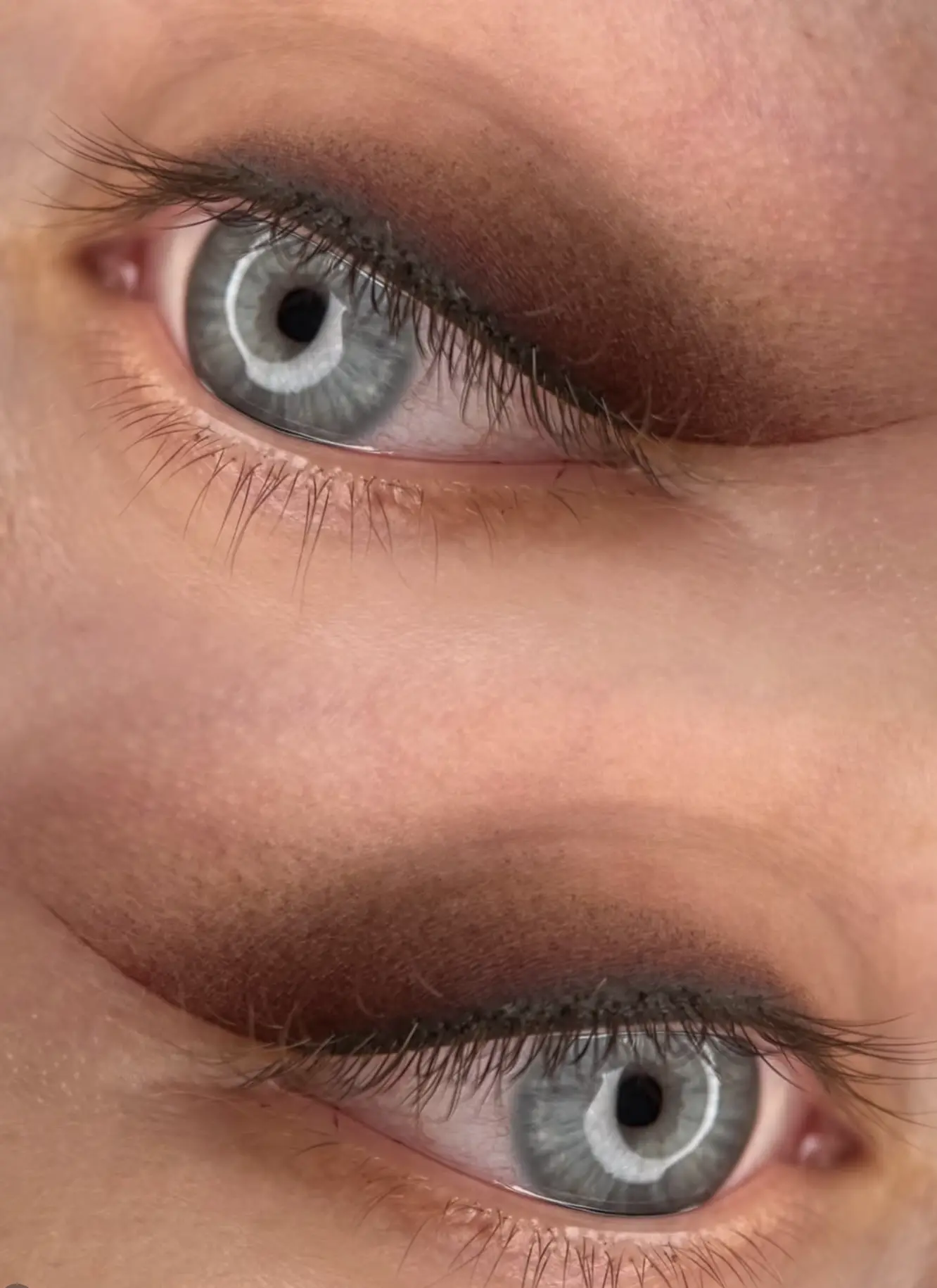
Beginner Errors I See All The Time
Even after a decent cosmetic tattoo course, many artists go ahead and make the same mistakes over and over:
- They work the needle in too deeply
- They overdo it with the pigment
- They use the wrong needle setup
- They just ignore skin type differences
- They skip the consultation, which is basically making a promise they can’t keep
These mistakes will almost always lead to poor retention – or worse, pigment migration.
Why This Skill Is In Demand Right Now
Melbourne clients are getting a bit more picky these days – they’re doing their research, comparing before and after pics, and then choosing the artists who really specialise in softer, more delicate work.
At Cosmetic Tattoo Studio Melbourne Face Figurati, this technique is one of the most in-demand services we get – right alongside lip blush treatments. It’s not just a fleeting fad, it’s becoming the new normal in modern cosmetic tattooing that Melbourne clients expect – and demand.
Final Thoughts — What I Tell Every Student
If you’re thinking of going down this path, you’re already thinking about it like a pro.
But let’s get real:
- Cheap training is a false economy in the end.
- Taking shortcuts shows in your work.
- And let’s not forget practice is a non-negotiable.
Invest in proper cosmetic tattoo training. Learn the technique properly. Build up your confidence over time.
That’s how you go from a beginner to a trusted and reliable artist.
FAQ
Do I need any prior experience to even think about enrolling?
Most good programs will want some basic knowledge of cosmetic tattooing under your belt – whether that’s through training or experience.
Is online study enough to get me to where I want to go?
Well, you can get the theory bit covered online easily enough – but when it comes to actual hands-on practice, you need to be hands-on and have some supervision to do it right.
Will this method work for sensitive or mature skin?
Yeah, but you’ll need to make some adjustments to the pressure, the speed and how you place the pigment – all key considerations when working with tricky skin.
What is the typical cost for this sort of training in Australia?
Courses usually vary in price depending on how deep and involved they are – you’re looking at anything from $2,500 to $8,000 in Australia.
How long before I can confidently start working with clients?
With consistent practice, most artists start to feel pretty confident within 3 to 6 months – it just depends on how much you put in.