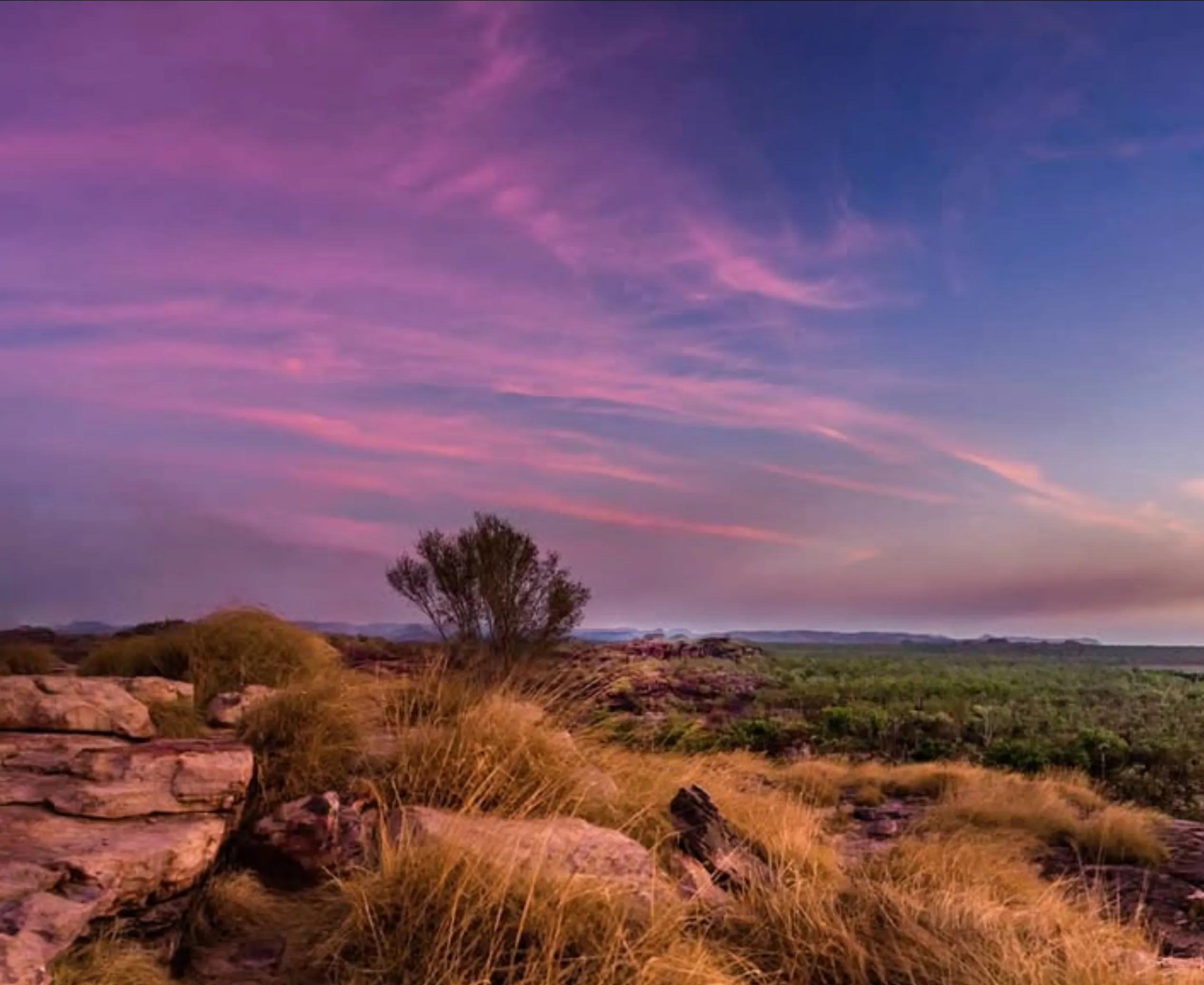
What are the best national parks in Australia for hiking? The short answer: for some real rewards from your bushwalking tracks, look at places like Kakadu National Park, Cradle Mountain-Lake St Clair National Park, Grampians National Park, Kosciuszko National Park and the Blue Mountains National Park as top contenders. These parks deliver with their diverse terrain – alpine peaks, sandstone cliffs, ancient escarpments, coastal tracks, and valleys through rainforest – making them among the best hiking countries you’ll find in Australia.
I’ve done my fair share of tramping on tracks in New South Wales, South Australia, the Northern Territory, Tasmania and Victoria. Australia looks after a heck of a lot of national parks and national park land – over 500 parks and about 22 million hectares of national park territory – that’s according to Parks Australia and the state park authorities (I checked in with them for the latest numbers 2024). That’s an awful lot of countryside to get lost in. However, some parks consistently stand out to hikers for their trail networks, geological grandeur, and the significance they hold for Indigenous communities.
Now let’s take a closer look at the parks that take hiking to the next level – from sandstone canyons right up to alpine summits and red desert mountain ranges.
Top Trail Destinations At A Glance
Before we get into the stories, here’s a real ‘ at a glance’ snapshot of some of the standout hiking parks in the country – including some of the classic walks and the legendary long-distance trails that are part of the Great Walks of Australia.
National Park State/Territory Signature Hike Distance Best Season
Kakadu National Park Northern Territory Jim Jim Falls Walk ~6 km return May–Oct
Cradle Mountain–Lake St Clair National Park Tasmania Overland Track 65 km Nov–Apr
Grampians National Park Victoria Pinnacle Walk ~4 km Mar–Nov
Kosciuszko National Park New South Wales Mount Kosciuszko Summit Walk ~13 km Dec–Apr
Blue Mountains National Park New South Wales Grand Canyon Track ~6 km Year-round
These parks highlight the extraordinary range of hiking environments across Australia — from alpine plains to wetlands and ancient sandstone valleys.
Kakadu: Escarpments, Wetlands, and Ancient Stone Country
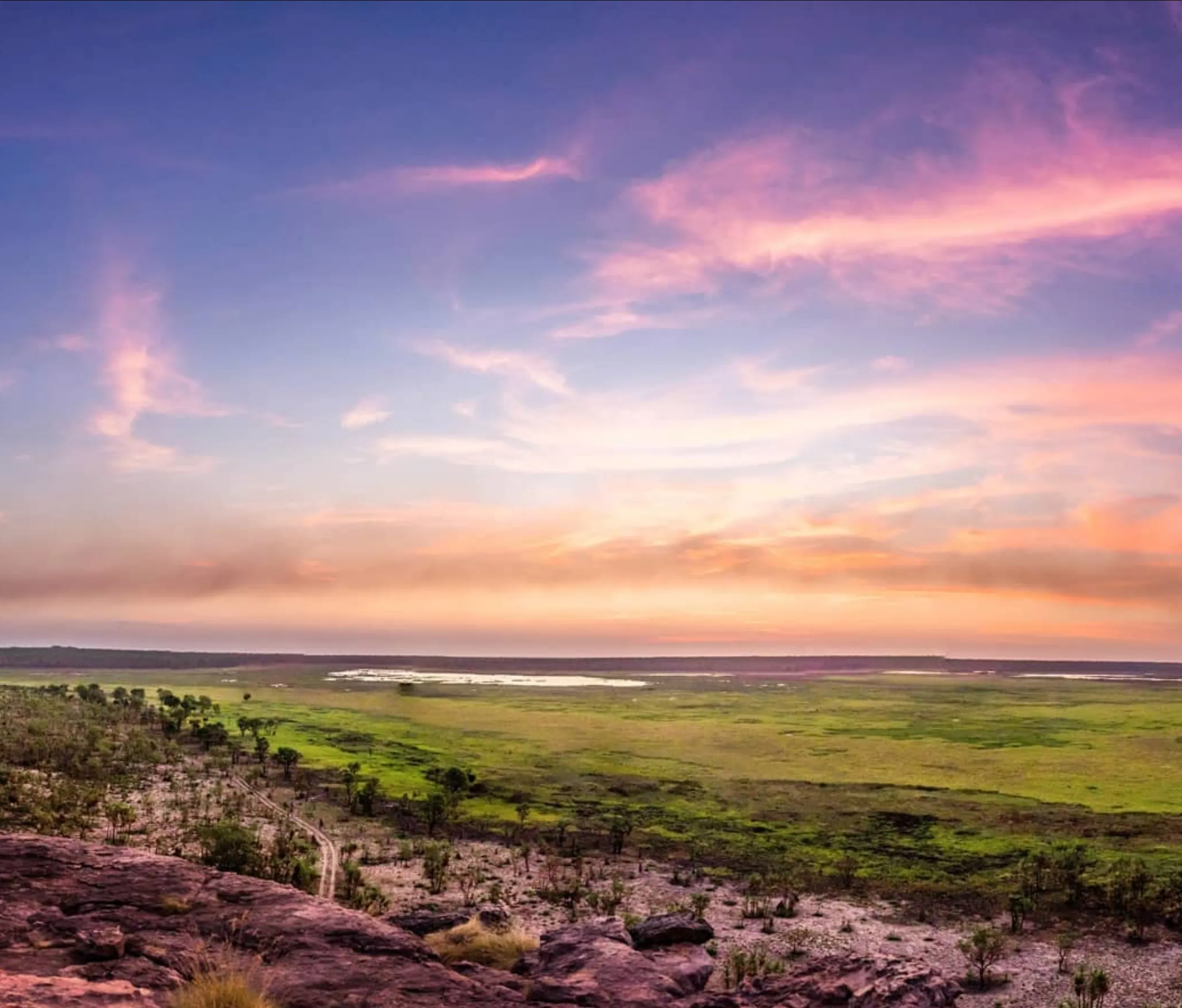
Right at the top of the Northern Territory sits one of Australia’s most unique hiking landscapes – and that’s in Kakadu National Park. It’s a UNESCO World Heritage Site thanks to its incredible biodiversity and history that stretches back a long, long way.
Kakadu is home to towering sandstone escarpments, monsoon forests & the wetlands of Yellow Water Billabong – where wildlife comes to party across the floodplains.
Jim Jim Falls And Escarpment Walks
The track to Jim Jim Falls starts with a bit of a bumpy ride down a four-wheel-drive track before hikers scramble through large boulders & shaded forest to reach the foot of the falls. The walk itself isn’t that long, but getting there is a bit of an adventure.
As for conditions in Kakadu, they depend heavily on the time of year. The wet season can see access tracks flooded out & many trails closed off, while May through October are the safest times to go hiking. Nearby parks also have some of their own hidden gems – take the Jatbula Trail in Nitmiluk National Park, for example, another classic multi-day walk in the Top End.
Cradle Mountain–Lake St Clair: Tasmania’s Legendary Overland Track
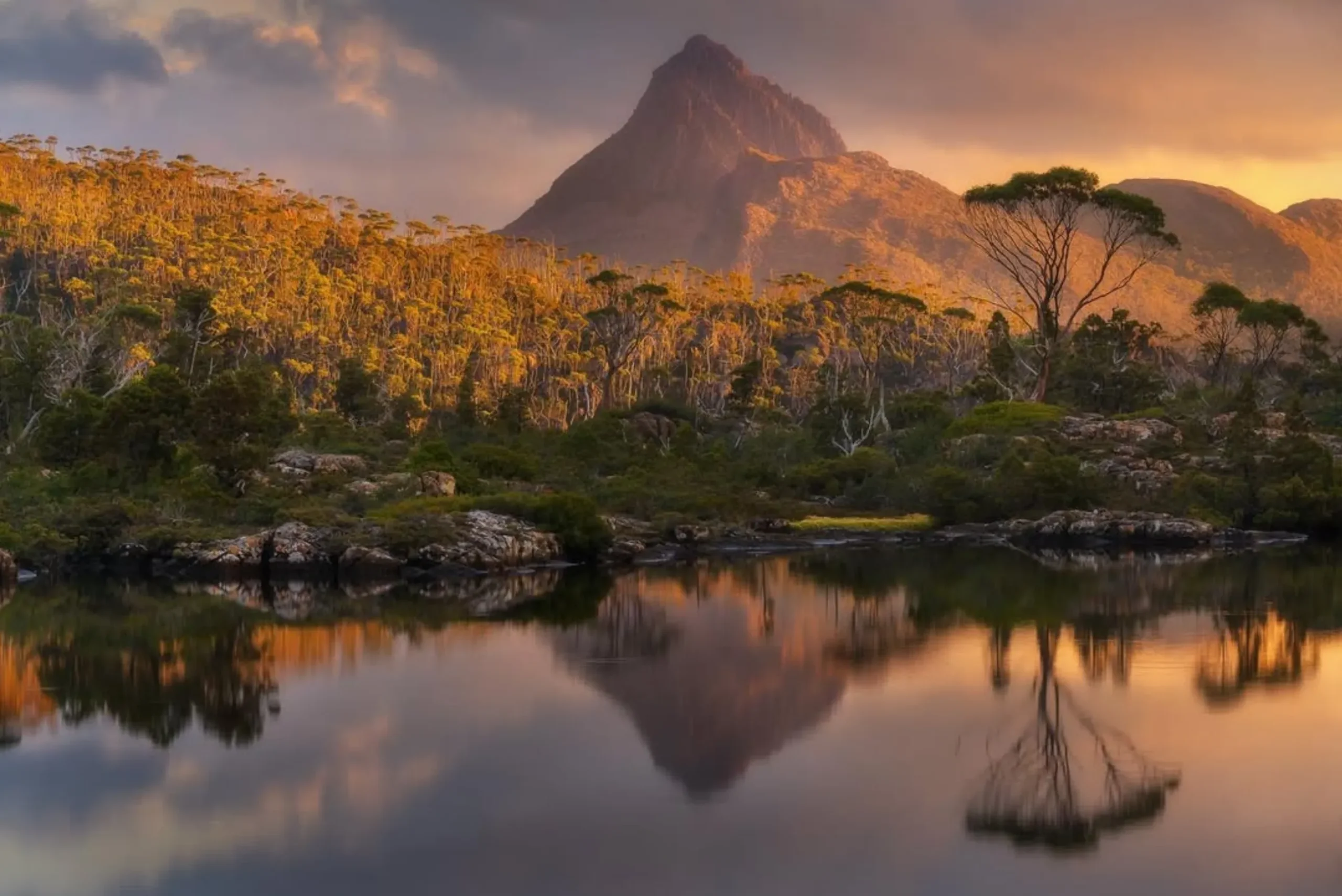
The wilderness of Tasmania has some of the most dramatic landscapes in Australia, and Cradle Mountain-Lake St Clair National Park is right in the thick of it. This place is actually part of the massive Tasmanian Wilderness World Heritage Area, one of the biggest temperate wilderness regions on the planet.
The Overland Track Experience
The famous Overland Track runs from Cradle Mountain to Lake St Clair and is roughly 65 kilometres in length. This route takes you through glacial valleys, alpine meadows & ancient rainforest ecosystems – and you’ll probably get to see all sorts of wildlife along the way.
Most people take 5 to 6 days to complete the trail. It’s not uncommon to see wombats hanging out near the huts, dramatic weather changes, & landscapes carved by glaciers thousands of years ago. Tasmania’s wild side also has a rich history – the island was once home to Tasmanian Tigers.
Other Tasmanian parks have some of their own day-hiking highlights. Freycinet National Park has coastal trails offering up Wineglass Bay and the rugged Hazards mountain range, a beautiful combo of granite peaks & pristine marine scenery.
Grampians National Park: Dramatic Sandstone Ridges
In western Victoria lies the Grampians National Park – also known as Gariwerd by the Traditional Owners. This place offers a unique hiking environment all its own – long sandstone ridges rise sharply from forested valleys & open grasslands.
The Pinnacle Walk And Ridge Trails
The Pinnacle Walk is the most popular route in the park. From Halls Gap, the track goes up & over through rocky gullies before reaching some of the most stunning views of the valley.
The wider park contains waterfalls, rock art sites managed by Parks Victoria, & other attractions managed by the Jardwadjali and Djab Wurrung peoples. This land is culturally significant to them – their connection to the landscape goes way back thousands of years.
Kosciuszko Region: Australia’s Highest Country
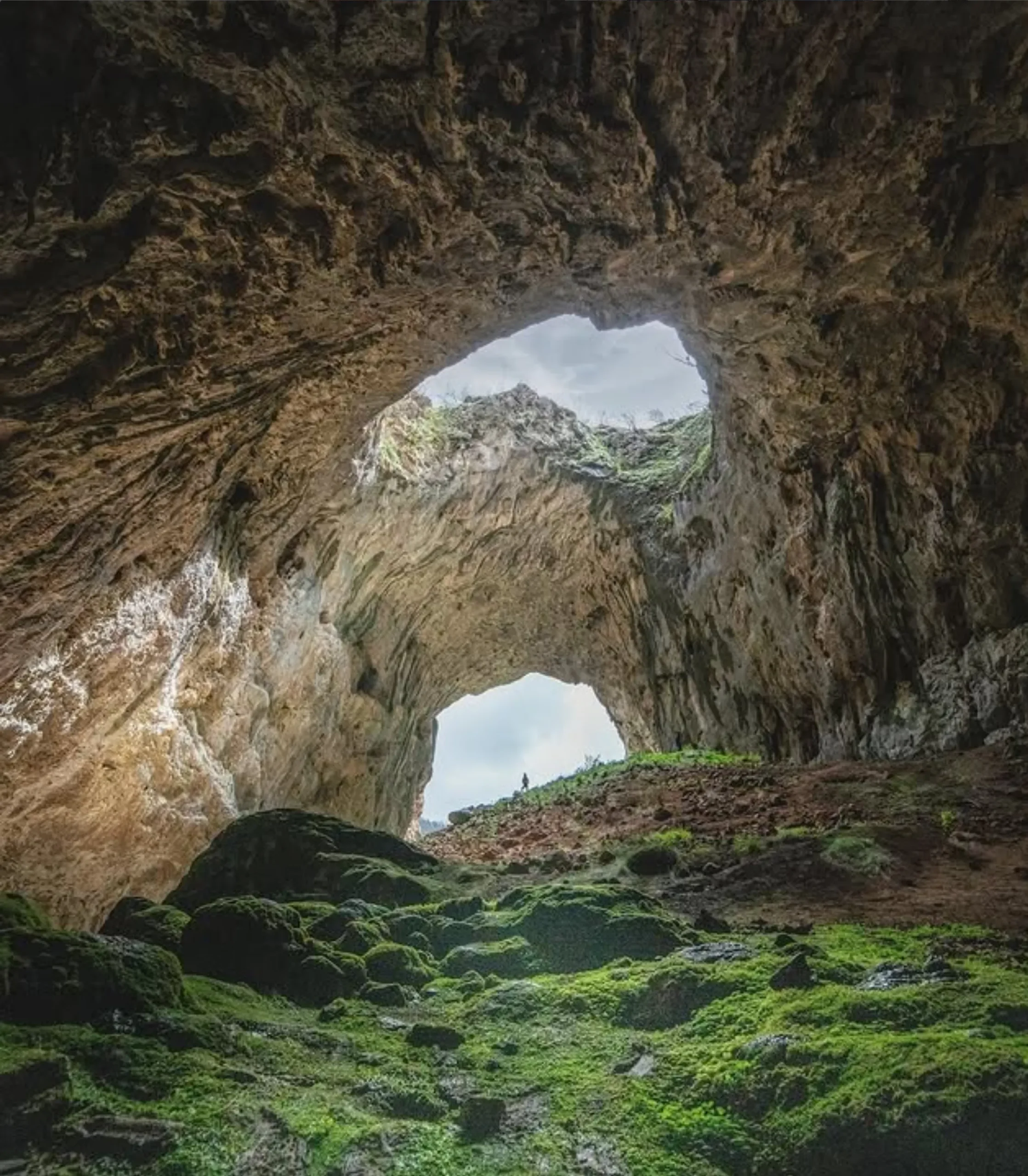
Australia’s alpine regions are mostly tucked away in Kosciuszko National Park. This vast park is home to the country’s highest peak – Mount Kosciuszko – and a whole lot of other stunning landscapes, including broad alpine plains, glacial lakes and some of the most magnificent snow gum forests you’ll ever see.
Mount Kosciuszko Summit Walk
The easiest way to get to the top is to start from Thredbo village – and then follow the trail across some pretty challenging alpine terrain. The walk is roughly 13 kilometres return, and it takes you to the summit at a mind-blowing 2,228 metres above sea level.
As well as this pretty straightforward day walk, the surrounding region has plenty of tougher stuff on offer – like the Jagungal Circuit. And just over the park boundary, you’ve got more challenging backcountry hikes in places like Alpine National Park, where Mount Bogong and Mount Feathertop are just two of the many peaks waiting for experienced bushwalkers.
In the summer, wildflowers take over the alpine landscape, while in the winter, the park becomes Australia’s biggest snow playground.
Blue Mountains: Sandstone Valleys And Rainforest Gullies
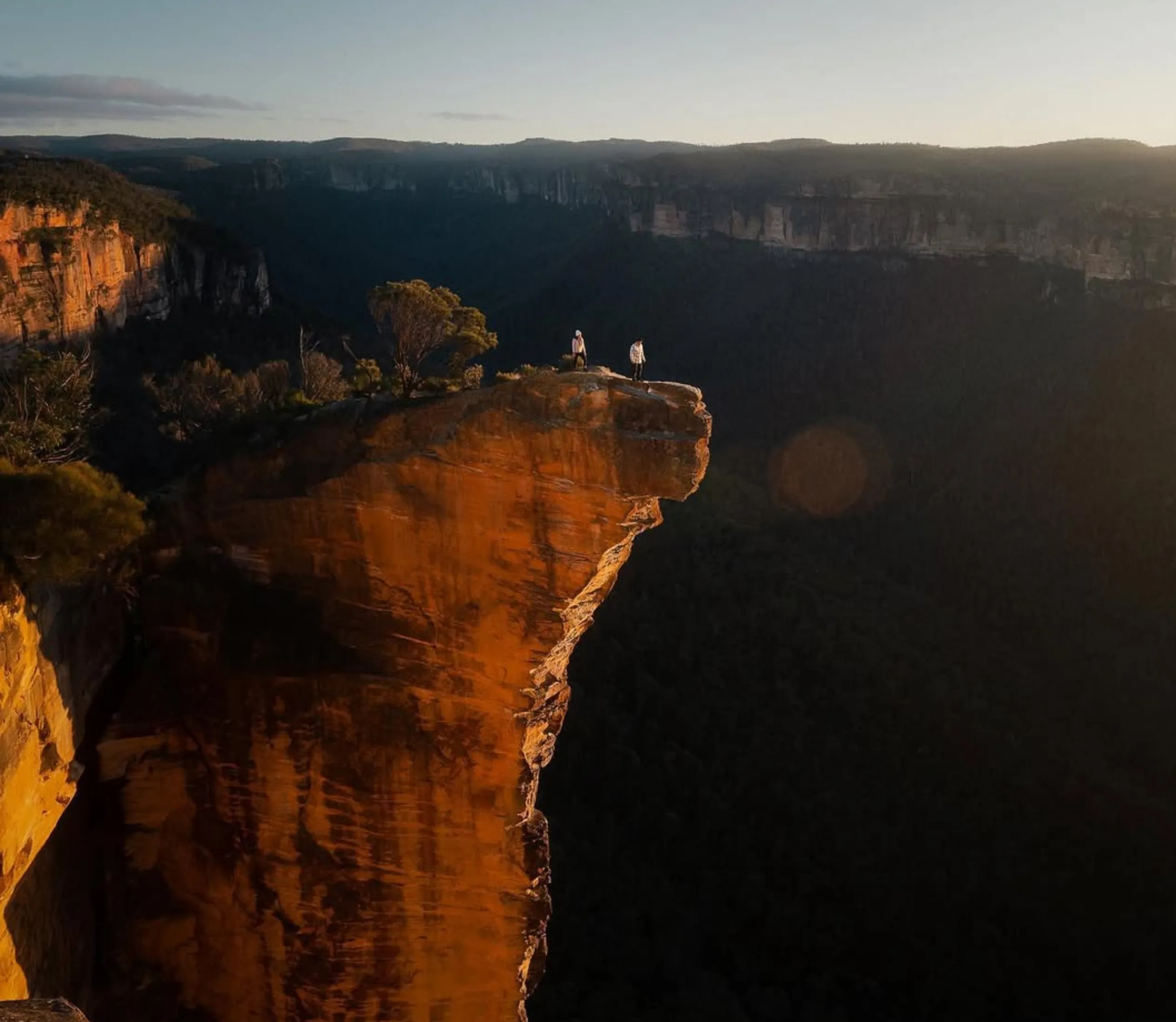
The Blue Mountains are just a quick 90-minute drive west of Sydney, which is why they’re one of the country’s most accessible – and popular – hiking spots.
The park is part of the Greater Blue Mountains World Heritage Area – a designation that should give you an idea of just how special this place is. You’ve got towering sandstone cliffs, deep valleys and eucalyptus forests as far as the eye can see.
Grand Canyon Track
If you’re looking for a day walk that really showcases the best of what the Blue Mountains have to offer, the Grand Canyon Track is the way to go. This track takes you down into lush rainforest gullies and then back up again through some of the most spectacular sandstone scenery in the country. And if you’re lucky, you might even spot some waterfalls on the way.
As amazing as the scenery is here, though, the Blue Mountains are also home to some pretty cool botanical secrets. Just think back to 1994 and the amazing discovery of the Wollemi pine, a plant species that was previously known only from fossils.
Practical Tips For Exploring Trails
Hiking in the bush is an incredible experience, but it’s not for the faint-hearted. We’re talking about vast distances, unpredictable weather and mobile reception that pretty much disappears the moment you leave town.
Essential Gear Checklist
Before you head off into the great unknown, make sure you’re packing:
- 2–3 litres of water per person
- Sun protection (hat, sunscreen, sunglasses)
- Map or offline GPS
- First aid kit
- Insect repellent (mozzies love hikers)
Smart Safety Rules
If you’re an experienced hiker, you know the drill. But for everyone else, here are some basic rules to keep you safe:
- Tell someone your hiking plan
- Check park alerts before leaving
- Avoid hiking alone in remote areas
Many parks issue seasonal alerts for bushfires, storms or flood closures.
Seasonal Conditions Across The Continent
Australia’s climate can be all over the place – from tropics to deserts to alpine ranges.
Typical seasonal shenanigans include:
- Northern Australia: wet season arrives in November and sticks around till April – best not be there when the floods hit.
- Southern Australia: summer is bushfire season, so you may find the trails are closed to walking.
- Alpine areas: and then there’s the snow in winter, closing the trails up in the mountains.
Planning to be in the right place at the right time can be the difference between an amazing hike and a right old slog.
Final Thoughts From The Trail
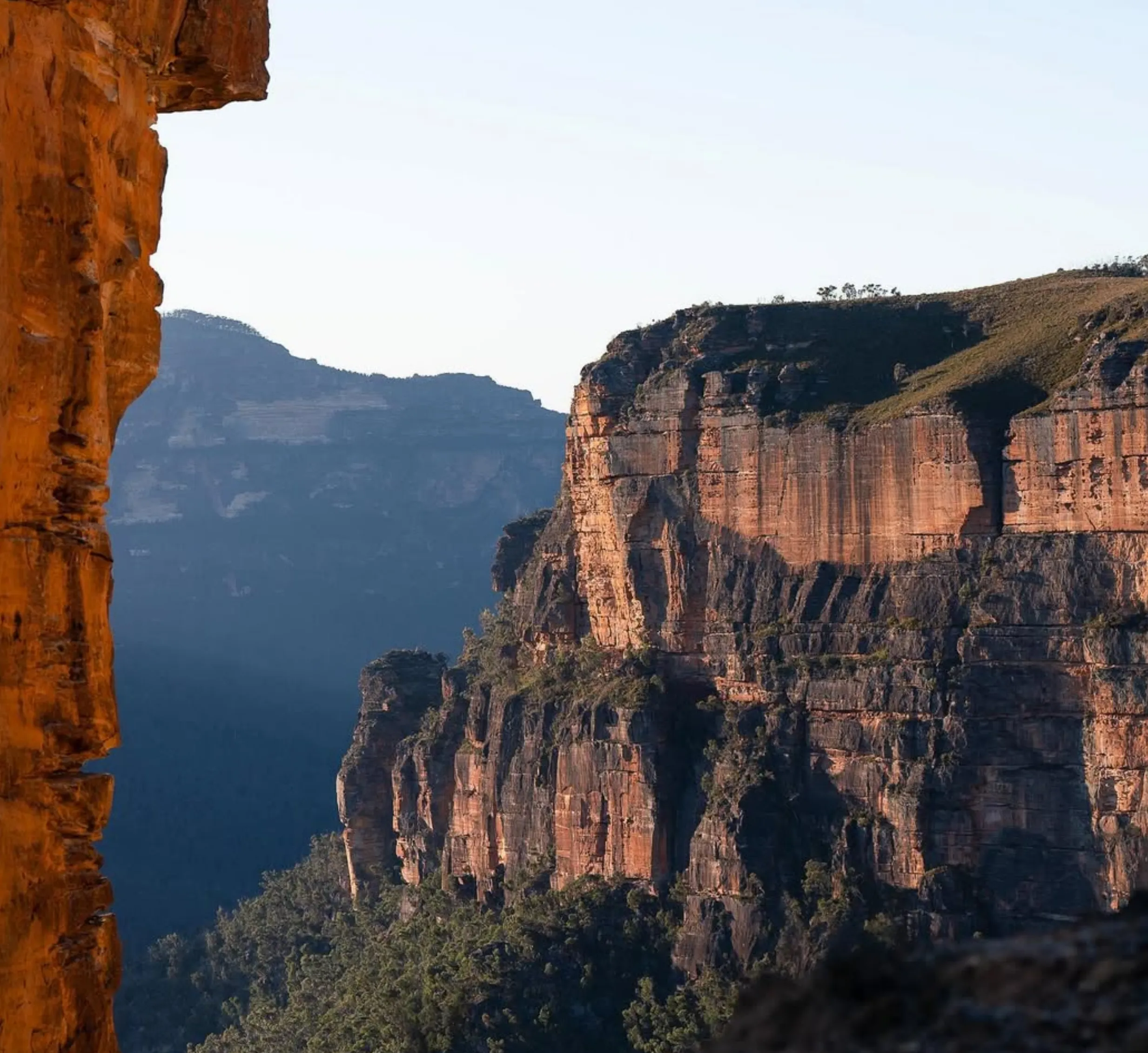
Australia’s protected parks and landscapes are a treat – mountains, deserts, rainforests and those dramatic coastlines – every single one a unique walking experience all its own, carved out of geology, climate and history.
Whether you’re treading sandstone valleys in the Blue Mountains, scrambling over escarpments in Kakadu or clambering up alpine slopes on Mount Kosciuszko, the one thing you can be sure of is that the landscapes are going to reward the visitor who shows up with the right gear.
For visitors who prefer guided adventures, Australia tours with Wildlife Tours often include small-group walks through several of these landscapes, sharing insights into local wildlife, ecosystems and Aboriginal cultural heritage.
FAQ
Which long-distance trail is most famous in Australia?
The Overland Track in Cradle Mountain–Lake St Clair National Park is probably the best-known multi-day walking route in the country.
Where can travellers reach Australia’s highest summit?
The summit of Mount Kosciuszko is a nice, easy walk from Thredbo in Kosciuszko National Park – though that’s not to say it’s going to be a doddle – it’s still a pretty long way to the top.
Are rainforest walking routes available in Australia?
Oh sure – the Daintree National Park in Queensland is home to a chunk of the oldest tropical rainforest on the planet.
Which regions offer coastal walking routes?
You can find some great oceanfront routes in Wilsons Promontory National Park and the Great Ocean Walk along Victoria’s Shipwreck Coast.
Do visitors need permits for long-distance routes?
It’s not always easy – some of the major multi-day routes – including the Overland Track in Tasmania – will need you to book in advance or get a permit from the park rangers.