
The Great Ocean Road in Australia is famous for its stunning coastal views, beautiful beaches and the iconic limestone stacks of the Twelve Apostles but also for its amazing wildlife encounters. Stretching 240km along the dramatic Victoria coast, this scenic drive is home to a wide range of Aussie animals from kangaroos and koalas to marine life like whales and seals. Many travellers do a Great Ocean Road day trip from Melbourne to check out this amazing region and see it for themselves. If you’re a nature lover or animal enthusiast here are some of the best spots to see wildlife and view Australia’s native animals on this trip.
Wildlife Hotspots
1. Kennett River – Koalas and Native Birds
Kennett River is one of the best places to see wild koalas in their natural habitat. Located between Lorne and Apollo Bay this small seaside town is surrounded by an ancient rainforest and eucalyptus forests where koalas can be seen lounging in the trees. The Grey River Road is the best spot to find them. Also the area is full of beautiful birds like king parrots and crimson rosellas who will approach you for food. A short walk through the forest will allow you to see the rainforest and Australian wildlife.
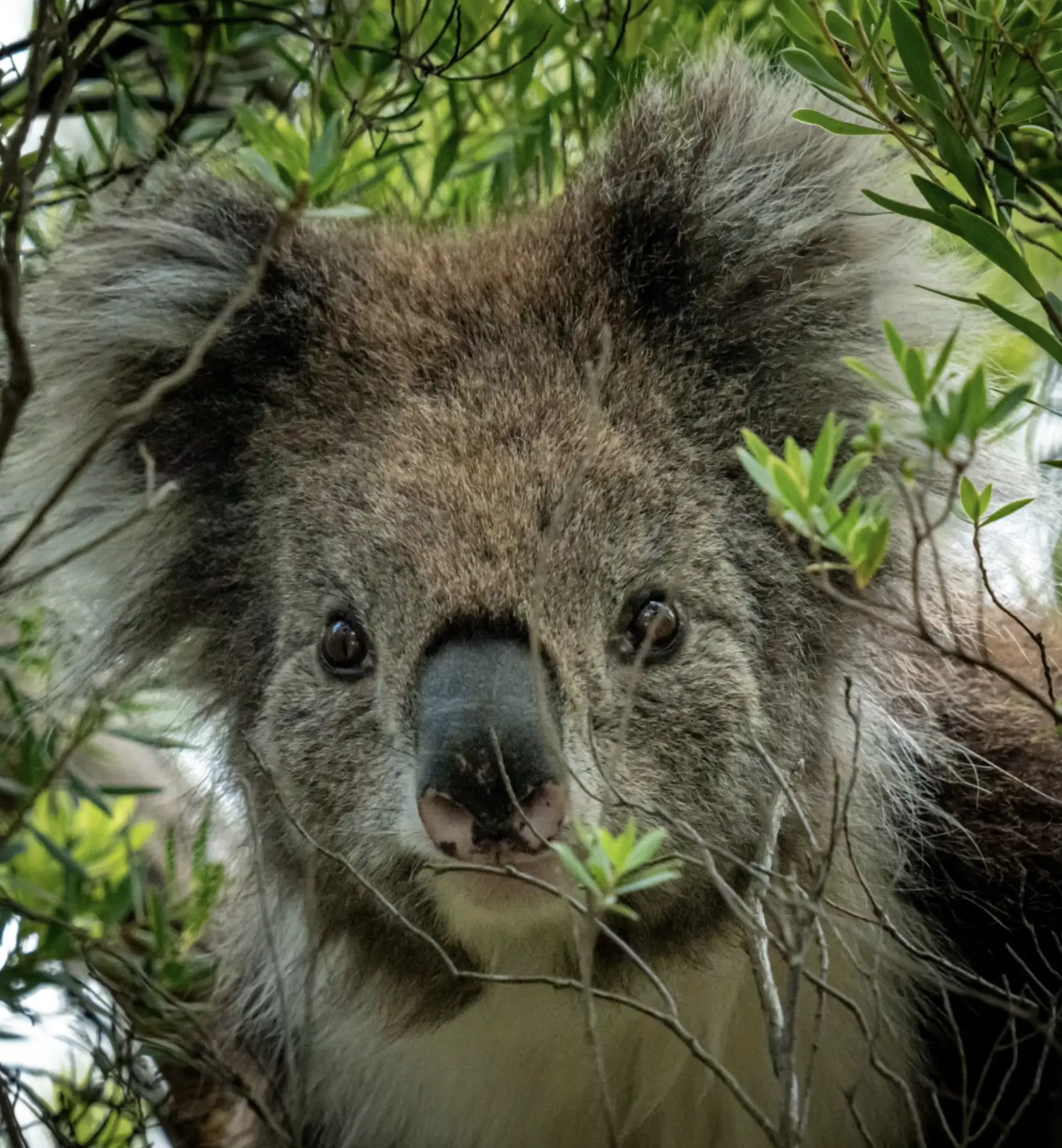
For those doing a day trip from Melbourne Kennett River is a great stop to see iconic wildlife and take in the ocean views.
2. Tower Hill Wildlife Reserve – Emus, Kangaroos and Echidnas
Just a short drive from Warrnambool Tower Hill Wildlife Reserve is a must-see for those who want to get up close to Australian wildlife. This extinct volcano, located in a national park, is home to kangaroos, emus, echidnas and water birds. Walking trails through the reserve provide great photo opportunities to see the wildlife in a beautiful setting surrounded by tree ferns and rugged grandeur. Tower Hill also has a visitor centre where you can learn about indigenous animals and the area’s Aboriginal history.
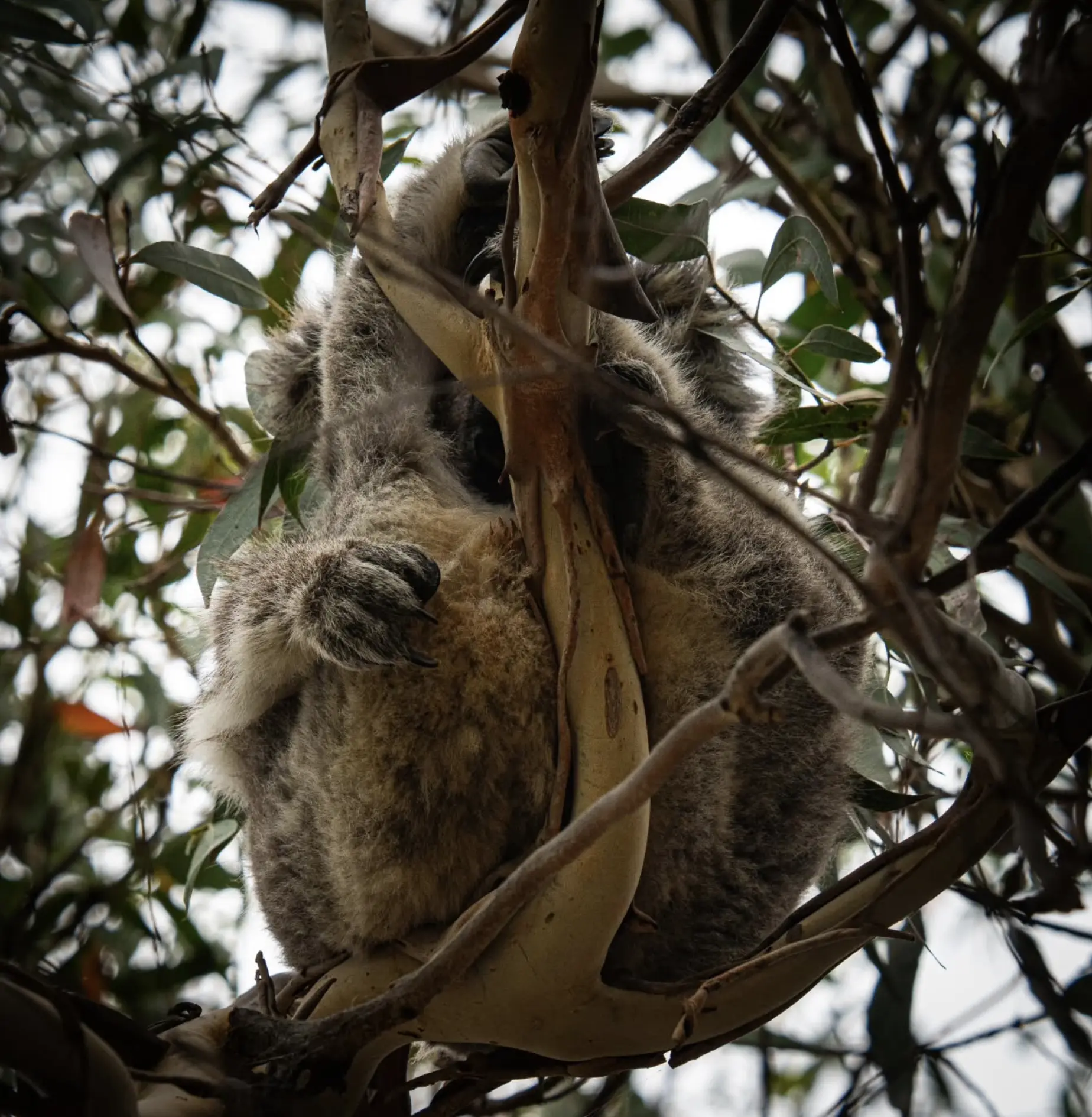
3. Cape Otway – Koalas, Glow Worms and Rainforest Scenery
Cape Otway is another great spot to see koalas. The rainforest scenery, waterfalls and tall eucalyptus trees make it a perfect habitat. While exploring the Cape Otway Lightstation area visitors often see koalas lounging in the trees. If you stay until nightfall you can also see the glow worms in the forests nearby. The cooler months are perfect for a drive through the region as the inland route is a great alternative to the coastal drive.
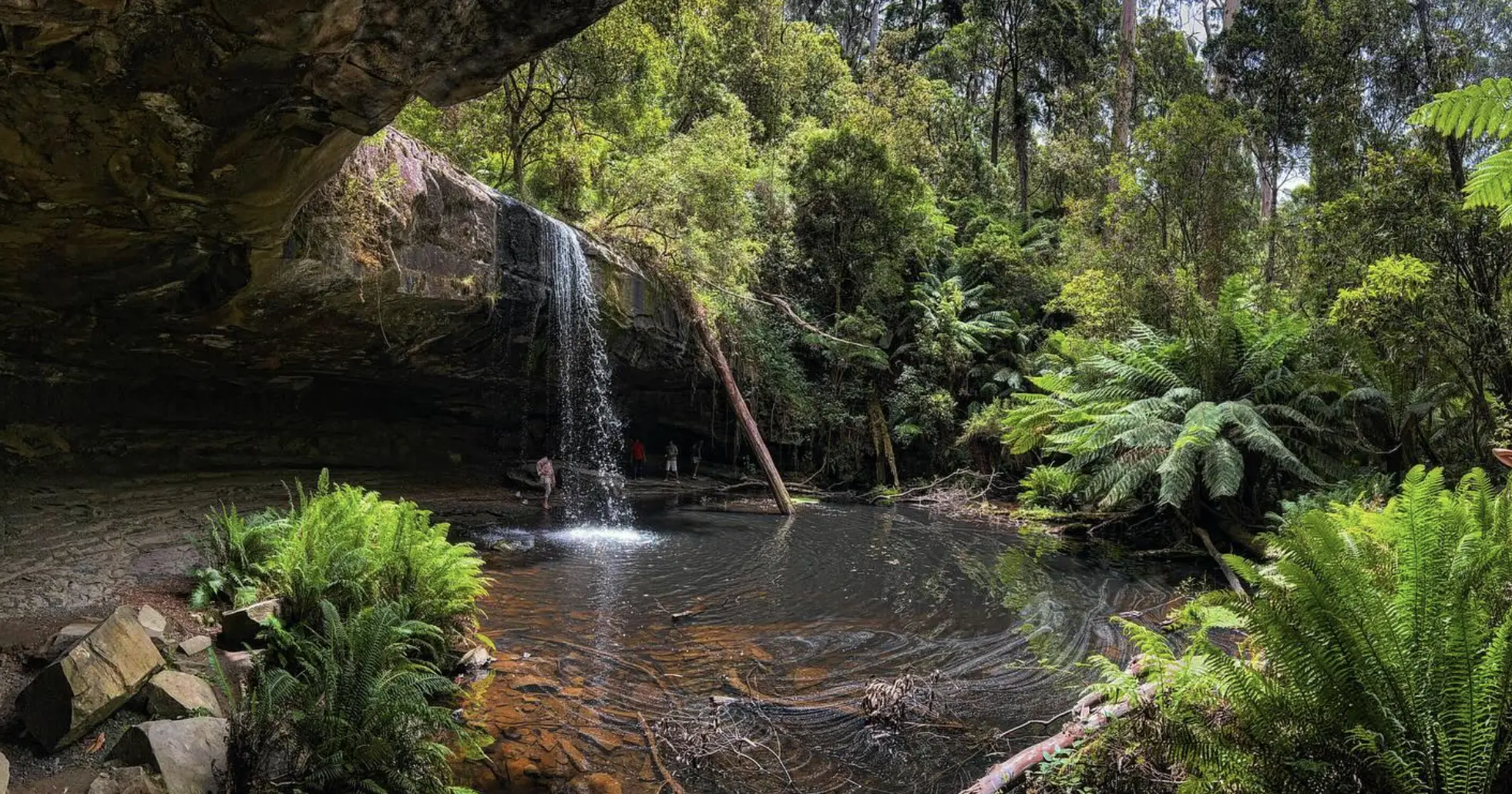
The surrounding Cape Otway National Park is also home to waterfalls, coastline and beaches so it’s a nature lover’s paradise. The rock formations along the coast are a great backdrop for coastal walks and hikes.
4. Johanna Beach – Kangaroos at Sunset
For a wildlife experience like no other, head to Johanna Beach in the arvo or early evening. This hidden gem is off the beaten track along rugged roads and is a favourite spot for kangaroos, especially at sunset when they come out to graze. The rolling hills and coastal tracks provide a stunning backdrop to watch these iconic creatures in the wild while taking in the views. The beach itself is pristine and isolated so it’s a great place to escape the crowds of the more popular tourist spots.
Great Ocean Road Sunset Tour passengers will love Johanna Beach for capturing breathtaking views and spotting wildlife in the golden light of dusk.
5. Logans Beach – Whale Watching (June to September)
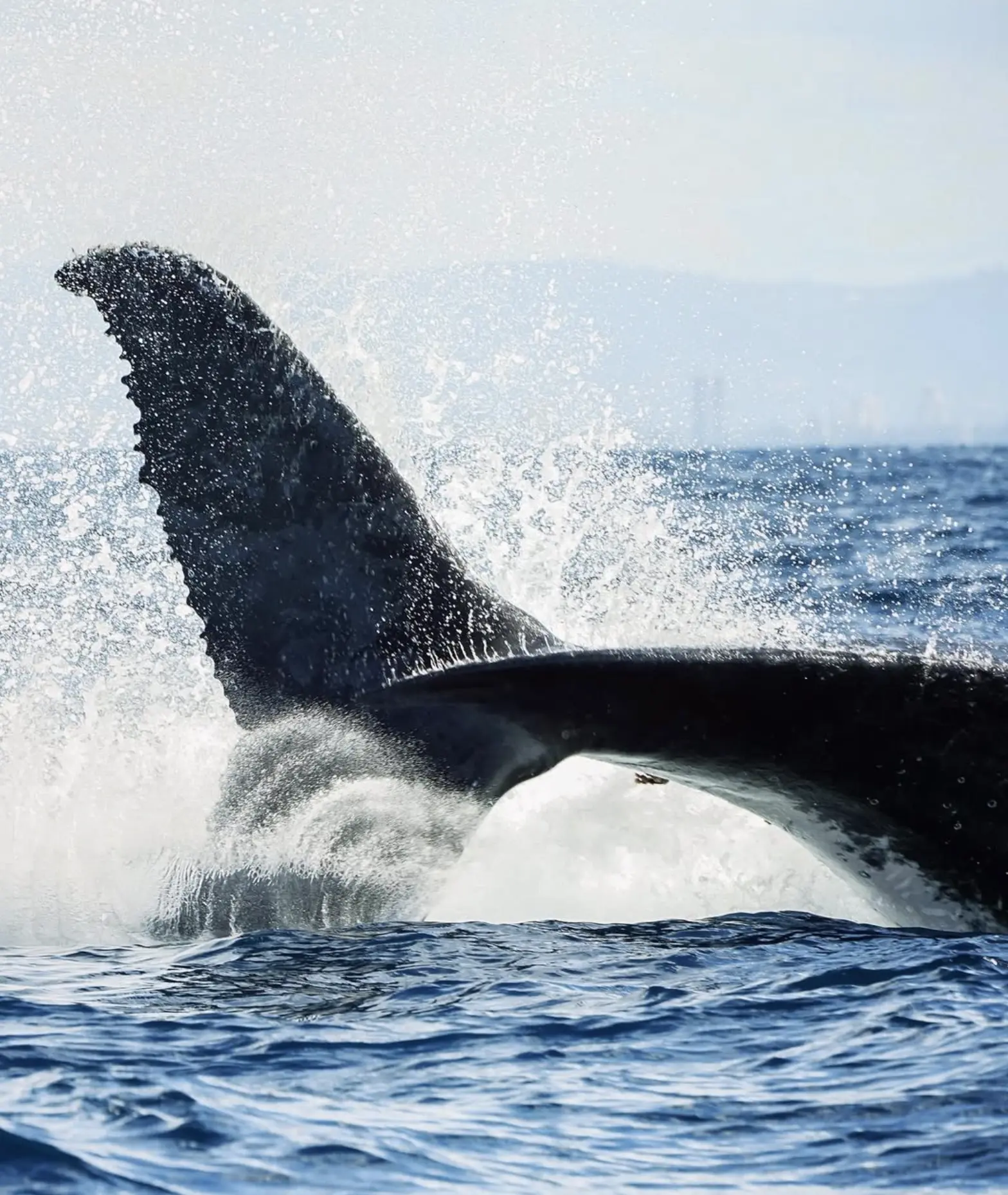
Near Warrnambool, Logans Beach is one of the best spots along the Great Ocean Road to see whales. Between June and September, southern right whales migrate to the estuarine waters off the coast to give birth and feed their young. Viewing platforms provide great vantage points to see these awesome animals breaching and playing in the ocean. This famous road is known for its waterfalls and coastal views so it’s a great photo opportunity.
6. Marengo Reefs Marine Sanctuary – Seals and Marine Life
Just off the coast of Apollo Bay, the Marengo Reefs Marine Sanctuary is home to the largest colony of Australian fur seals. Take a kayak tour to get up close and personal with these playful animals as they swim and sunbathe on the rocks. The marine sanctuary is also full of underwater life so it’s a great spot for snorkelling and diving in cool water. For adventure and fun, this region has it all, including natural beauty.
The sanctuary is also known for its birds and marine ecosystem. You can often see dolphins and seabirds along the coastline, adding to the experience of seeing Australia’s amazing wildlife.
7. Great Otway National Park – Rainforests and Iconic Wildlife
The Great Otway National Park is a haven for Australian wildlife and natural beauty. The park has stunning waterfalls, eucalyptus forests and tree ferns so it’s a great place to hike and explore. Along the inland route, you can find incredible views, rugged grandeur and dramatic coastline; it’s one of the most scenic drives in the country. If you’re looking at Melbourne tour packages many include the Great Otway National Park as a feature so you can experience rainforests and iconic wildlife in one of Australia’s most famous national parks.
Conclusion
The Great Ocean Road has it all: coastline, landscapes and wildlife encounters. Whatever you’re after, photo opportunities, beaches or an adventure through national parks, this road has it for nature lovers.
FAQ
What’s the best time of year to see wildlife on the Great Ocean Road?
Wildlife can be seen all year round, but the best time for whale watching is June to September. For koalas and kangaroos it’s early morning and late afternoon. The cooler months are perfect for a scenic drive through this amazing region.
Are there guided wildlife tours?
Yes, several tour operators along the Great Ocean Road offer wildlife tours including koala spotting, bird watching and marine tours for seals and whales. These tours are family and nature-lover friendly.
Can I feed the wildlife on the Great Ocean Road?
No, feeding wildlife is not recommended as it can be harmful to them and change their natural behaviour. Best to observe from a safe and respectful distance and enjoy the views of their natural habitat.
Is it safe to drive at night on the Great Ocean Road?
Driving at night can be risky with wildlife crossing the road, especially kangaroos and koalas. It’s best to drive carefully and avoid night travel if possible. A bottle of water and some planning can make for a safer day trip along this stunning stretch of coastline.
Are there any wildlife sanctuaries along the way?
Yes, Tower Hill Wildlife Reserve and Marengo Reefs Marine Sanctuary are great places to see wildlife in a safe and protected environment and enjoy the views and beauty of Victoria’s coast. Some wildlife parks along the way also have farm animals and indigenous animals for close encounters and family fun.