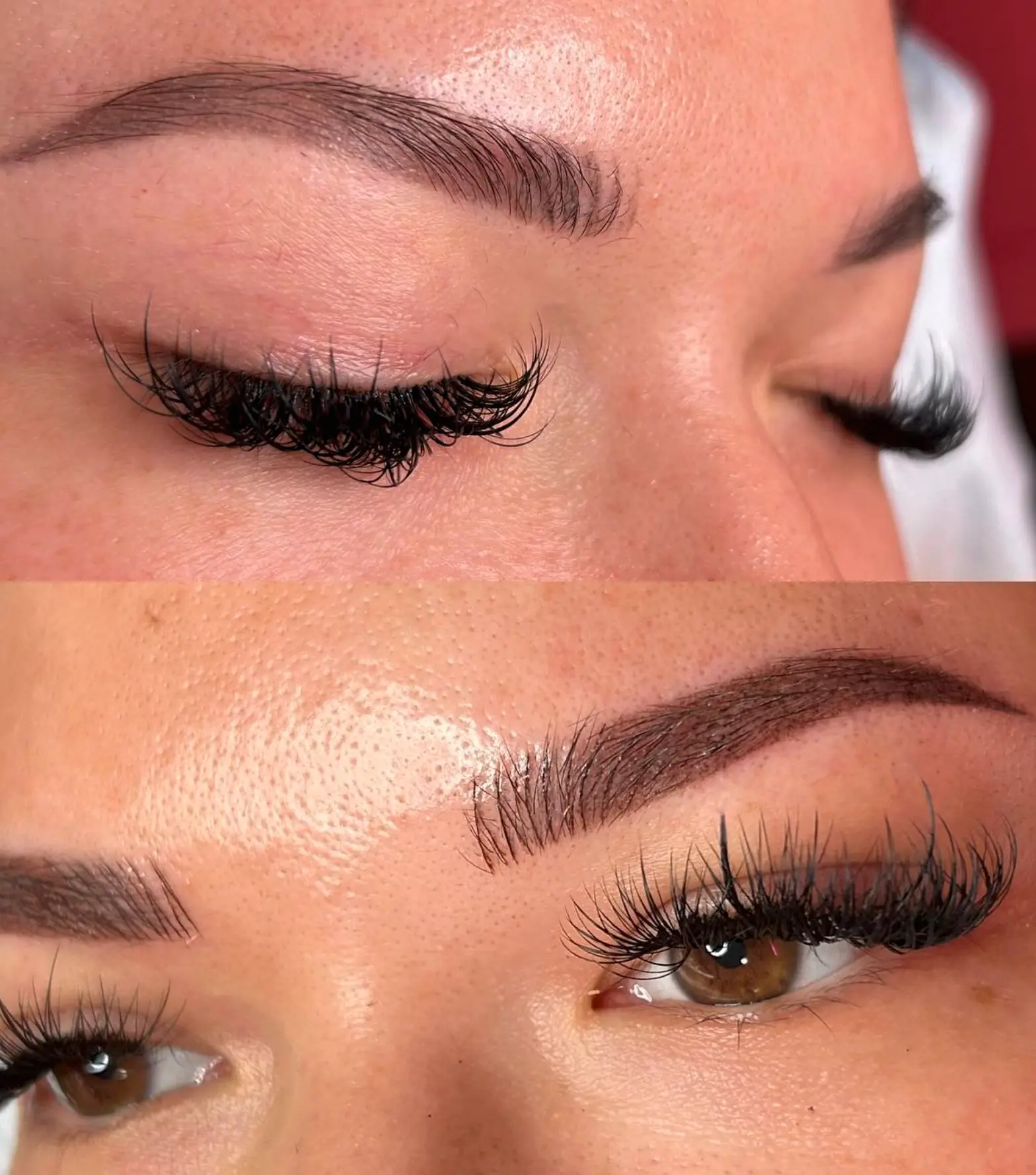
If you’ve just booked in for your first brow tattoo or lip blush, you might be wondering: Will a cosmetic tattoo always scab? It’s a question I get at nearly every consultation — and honestly, the answer is: not always, but it often does, and for good reason.
At Cosmetic Tattoo Studio Face Figurati, I’ve seen every type of healing response under the sun — from the smooth peelers to the heavy scabbers. Whether you’re dealing with combination brows, powder brows, microshading treatment, cosmetic tattoo eyeliner or Cosmetic tattoo lips, knowing what’s normal (and what’s not) can seriously help reduce the panic when things get flaky.
Let’s break it down properly — no fluff, no filter. Just grounded, professional insight from someone who’s tattooed thousands of faces and fixed more patchy eyebrows and dark block eyebrows than I care to count.
What Causes Tattoo Scabbing
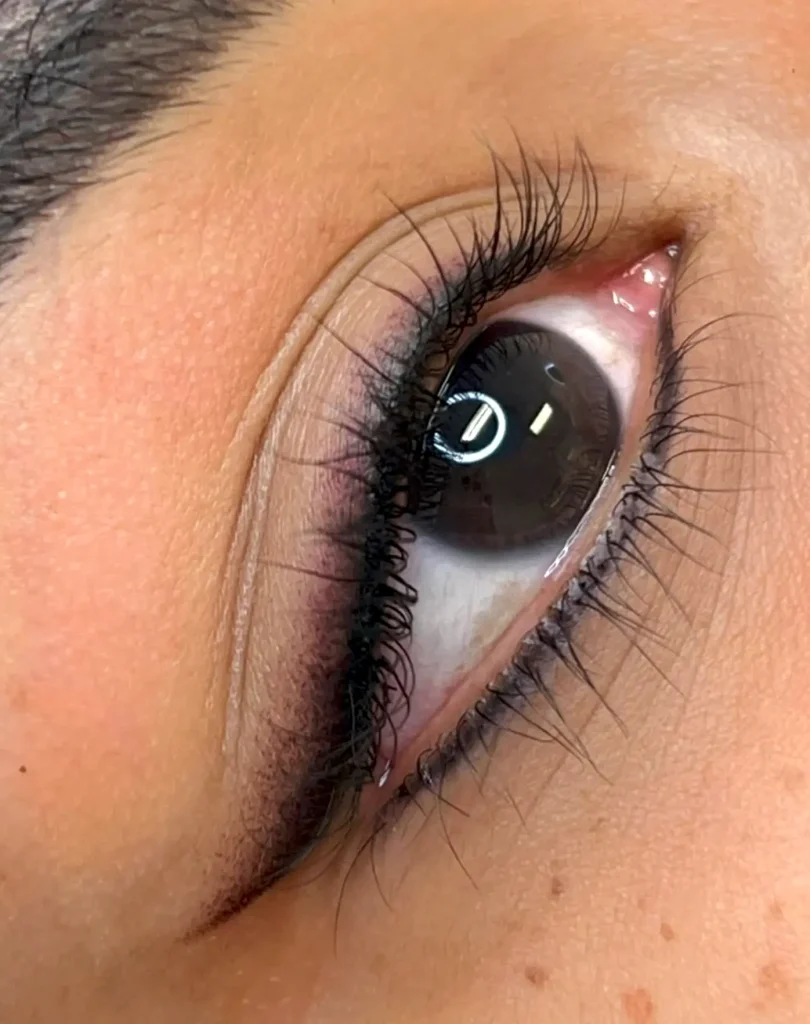
Cosmetic tattooing is a non-invasive treatment — just a bit more refined than a traditional tattoo, a bit more superficial, and a lot more skin-sensitive. A trained cosmetic tattooing artist uses specialised tools and pigment techniques to gently implant colour into the upper dermis without causing unnecessary trauma.
When an eyebrow tattoo artist deposits pigment into the upper dermal layer of the skin, we’re triggering the body’s natural healing process. Just like with a scraped knee, the skin works to close the wound, protect the area, and shed damaged or dead skin — and yes, that often results in scabbing or flaking.
The Three Main Healing Types We See
Here’s what we see in the studio, depending on skin types, aftercare routine, and technique:
| Healing Type | Skin Response | Common With |
|---|---|---|
| Light scabs | Tiny flakes, similar to dry skin peeling | Lip blush, nano brows, delicate skin |
| Micro-scabbing | Fine, dotted scabs that lift easily | Combination brows, powder brows |
| Heavy scabs | Obvious crusting, deeper wound healing | Oily skin, older techniques |
Chunky scabs or excessive scab formation don’t always mean something’s gone wrong, but sticky or thick crusts from eyebrow tattoos might signal overworked skin or improper aftercare products.
Scabbing Factors
Not every client scabs. Some heal like angels. Others look like they rubbed their brows on a tree trunk. Here’s what makes the difference:
1. Skin Type
- Dry skin may flake gently but not scab much.
- Oily skin tends to scab more and retain less pigment.
- Combination skin and atypical skin may behave unpredictably.
- Delicate skin can react with irritation or lighter scabs.
2. Technique & Depth
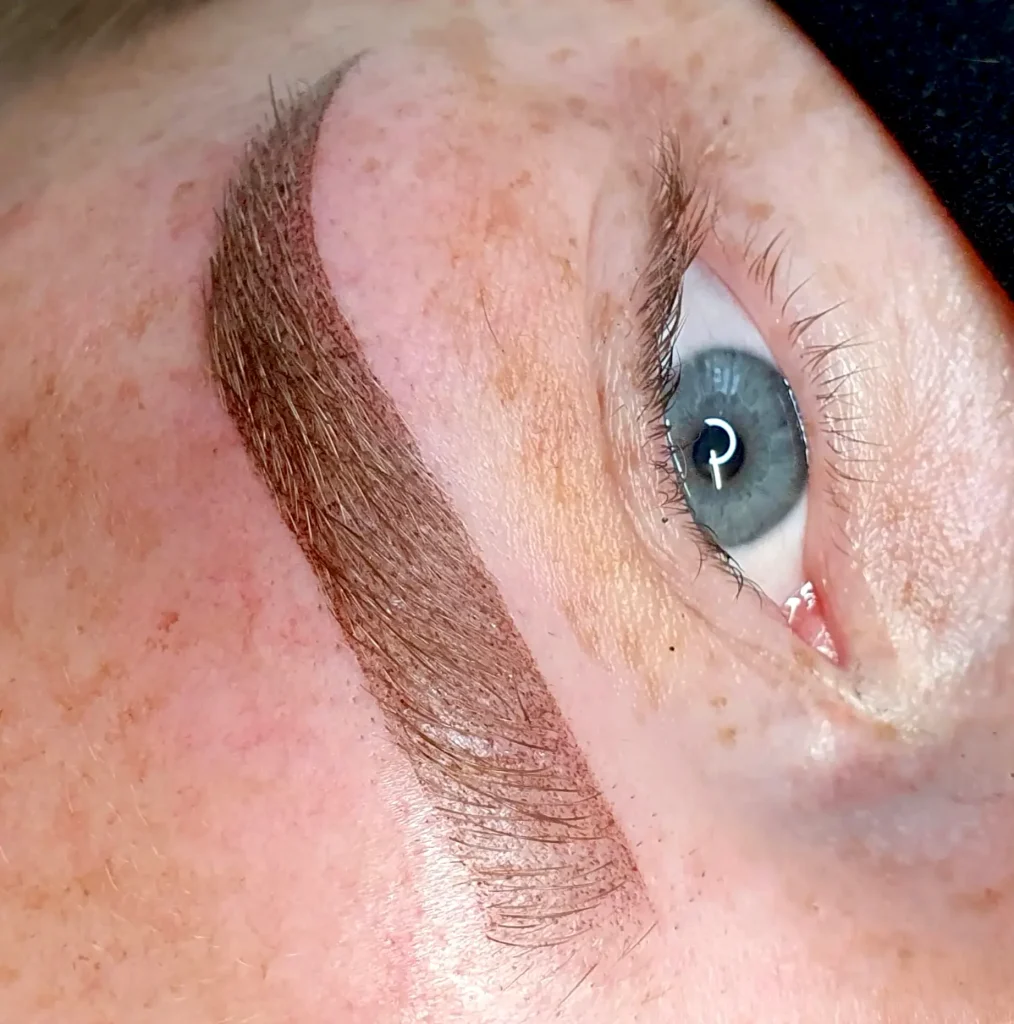
A skilled eyebrow tattoo specialist or microblading expert will work in the correct layer, not too deep, not too shallow. Poor technique = trauma = heavy scabs. A well-trained cosmetic tattooing artist will also know when to stop before trauma leads to pigment loss.
3. Aftercare
Your healing journey is 50% professional technician, 50% you. If you’re picking, sweating, or using harsh treatment or the wrong aftercare ointments, you’re inviting problems.
4. Procedure Type
- Eyebrow microblading and shading techniques may produce microblading scabs.
- Eyebrow tattooing with the powder eyebrow or hair technique varies by skin.
- A microblading session versus a correction appointment will heal differently.
5. Environmental Factors
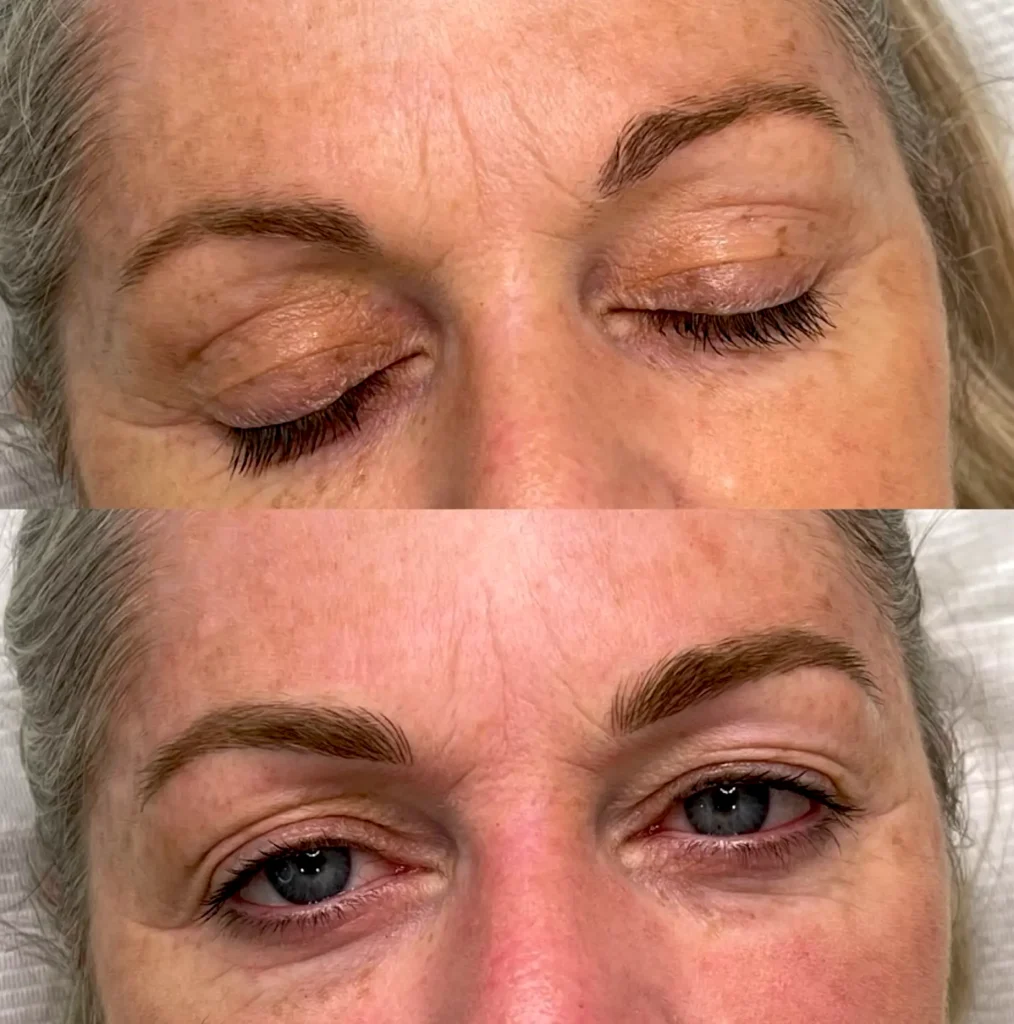
Sweat, humidity, heat, and exposure to sunlight can all mess with your healing factors. Keep it cool and clean.
The Healing Process: Week by Week
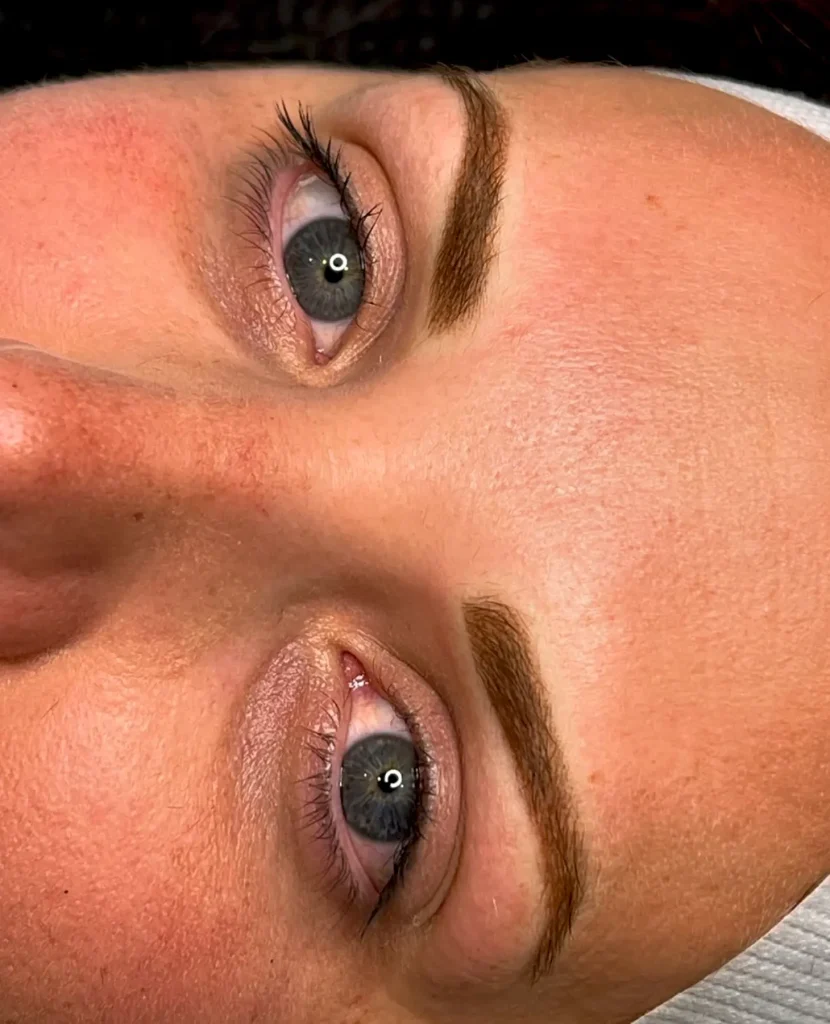
Let’s keep it real. Healing is rarely linear. But here’s what most of my clients experience during the eyebrow tattoo healing stages:
Initial Healing Period (Week 1)
- Day of treatment to Day 2: Brows look too dark. Skin might feel tight or sensitive.
- Days after treatment 3–4: Flaking or light scabs may appear.
- Peeling period 5–7: Brow area starts shedding like flaky skin. Leave it alone.
Microblading Healing Period (Week 2)
- Pigment may fade or appear patchy. This is the “what happened to my brows?!” stage.
- No eyebrow makeup, hot water, or picking.
Entire Healing Period (Week 3–4)
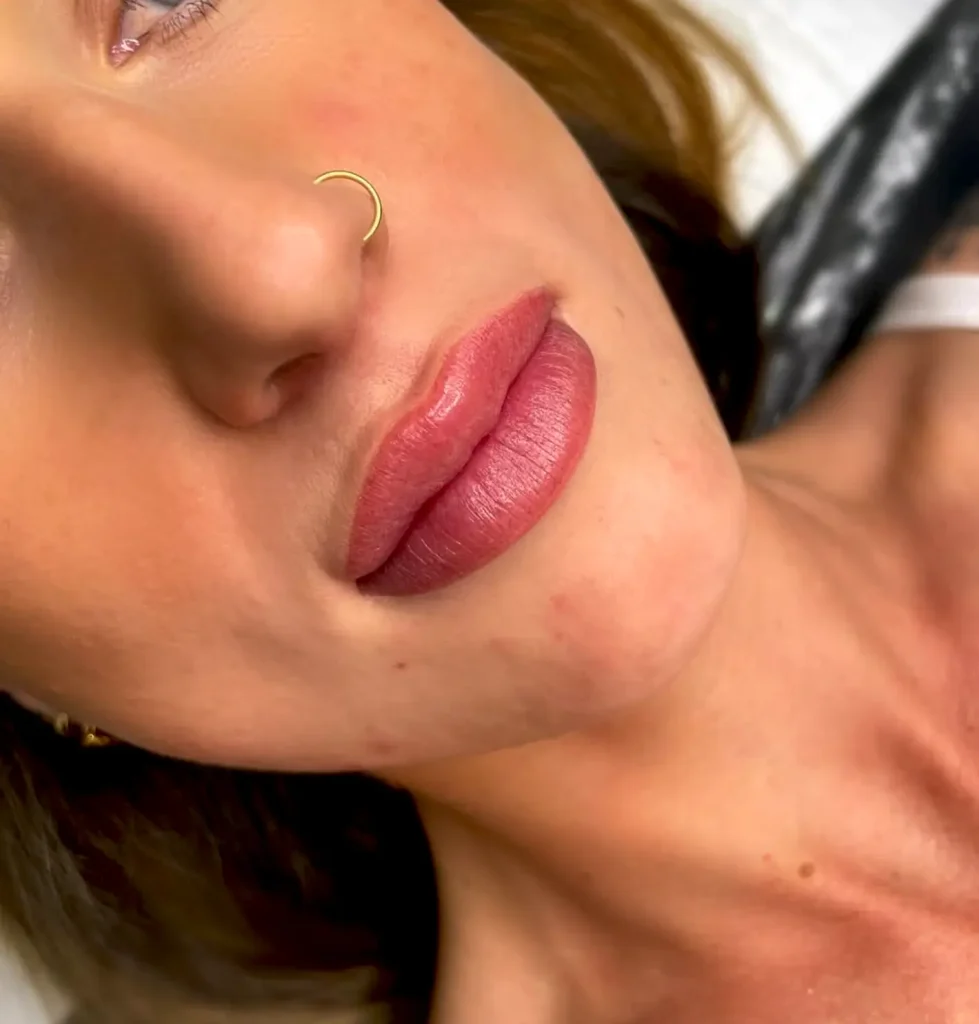
- Colour settles. Pigment returns.
- You’ll see your perfect brow shape emerge — just in time for your touch-up session.
When Scabbing Is a Problem (And When It’s Not)
Normal Healing:
- Thin, lighter scabs or flakes
- Skin underneath looks pink but fine
- Crusts fall off naturally with proper aftercare
Problem Scabbing:
- Sticky or wet-looking, heavy scabs
- Whole tattooed eyebrows lifting off
- Redness, burning or prolonged swelling
When in doubt, send a photo to your accurate eyebrow tattoo specialist — that’s what your team of experts is here for.
Myths
“You didn’t scab — the tattoo didn’t work.” False. Many clients with good aftercare instructions and oil-free products don’t scab and still heal beautifully.
“You should exfoliate to speed things up.” No way. Picking off a microblading scab can damage the skin and affect your brow colour.
“Dry healing is better.” Dry healing can work for some skin types, but we generally recommend healing ointment for best results.
Healing Tips Before and After
Pre-Treatment Prep:
- Avoid blood thinners, alcohol, caffeine, and harsh products
- No chemical peels or cosmetic procedures in the area
Aftercare Instructions:
- Clean with lukewarm water and a clean cotton swab, not hot water or micellar water
- Pat gently dry with a cotton ball or cotton sponge
- Apply a thin layer of aftercare ointment — no petroleum jelly unless recommended
- Wash with mild soap only
Don’ts:
- No saunas, gym, pools, or makeup in the area
- No daily makeup application over fresh brows
- No sleeping face-down
Trends in 2025: Softer, Smarter, Skin-Safer
- Modern techniques like nano brows = less trauma
- More tailored eyebrow tattoo care for atypical skin and sensitive skin types
- Growth in the permanent makeup tattooing industry is focused on long-lasting solutions
- Fewer conventional techniques, more custom combos like combination brows
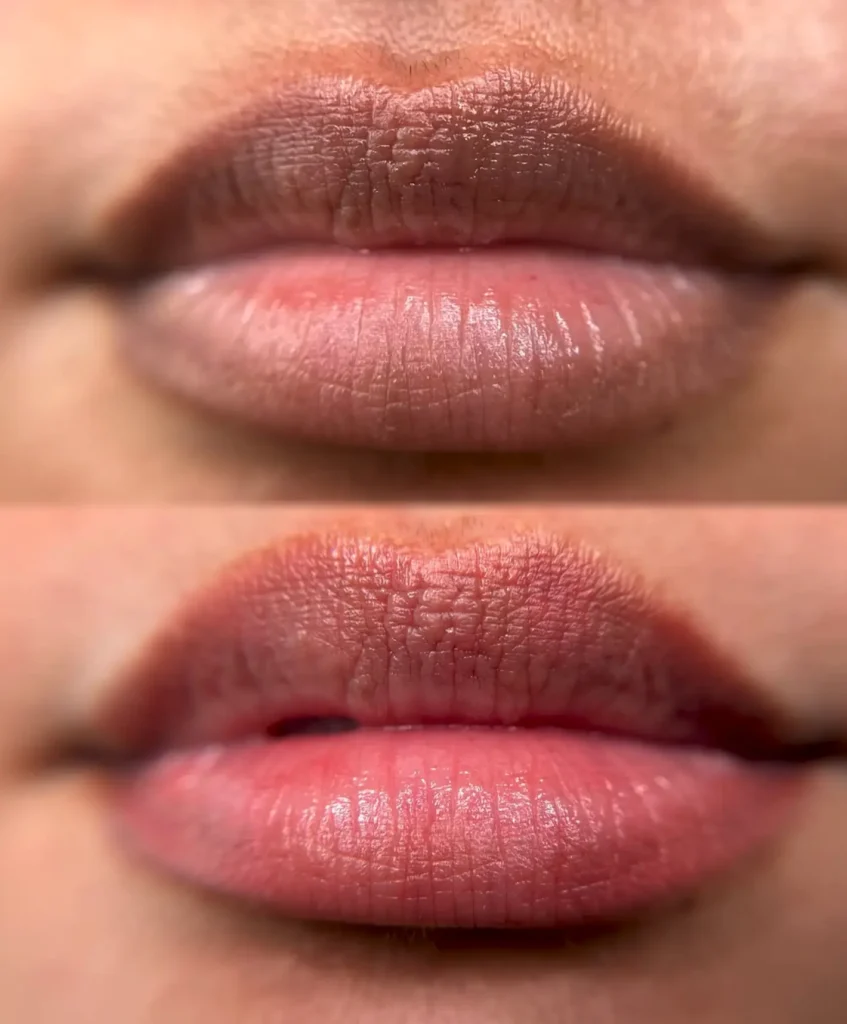
The industry has come a long way, with the demand for cosmetic tattoo options like cosmetic tattoo eyeliner and Cosmetic tattoo lips continuing to rise among those wanting to cut down on their daily makeup application.
Case Study
One client with combination skin came in for a microblading session and followed the aftercare routine for the first week, except she kept applying makeup to her left eyebrow.
Guess which brow healed lighter and needed a review session and correction sessions?
Consistency matters — even with something as small as touching one brow more than the other.
Typical Pricing and Sessions Breakdown
| Treatment | Cost (AUD) | 2nd Appointment | Scabbing Likelihood |
|---|---|---|---|
| Combo/Hybrid Brows | $650–$950 | Yes (6–8 weeks) | Light scabs, patchy fading |
| Powder Brows | $600–$900 | Yes | Flaking, possible healing factors |
| Eyeliner / Lip Blush | $500–$850 | Yes | Can include chunky scabs |
Final Take
So, will a cosmetic tattoo always scab? No, but you need to expect some form of eyebrow tattoo scabbing as part of the healing eyebrow tattoo process.
Trust your brow artist, follow your eyebrow tattoo aftercare instructions, and don’t rush the eyebrow tattoo healing process. Whether it’s your introductory session or a retouching session, your perfect brow needs time to bloom.
FAQ
Can I avoid scabbing completely?
Not always, especially if you have oily skin or sensitive skin types, but good aftercare instructions help reduce it.
Is it bad to scab heavily?
It depends. Some healing factors and environmental factors contribute. Heavy scabs can mean poor prep or skin trauma.
What products should I use during healing?
Stick to oil-free products, healing ointment from your artist, and mild soap — no random additional products.
What if only one brow scab, heals differently?
Totally normal. Touch-ups exist for this reason. Sometimes, the left eyebrow behaves differently.
When can I wear makeup again?
Once the skin has stopped peeling and fully closed, usually after the average period of 10–14 days.