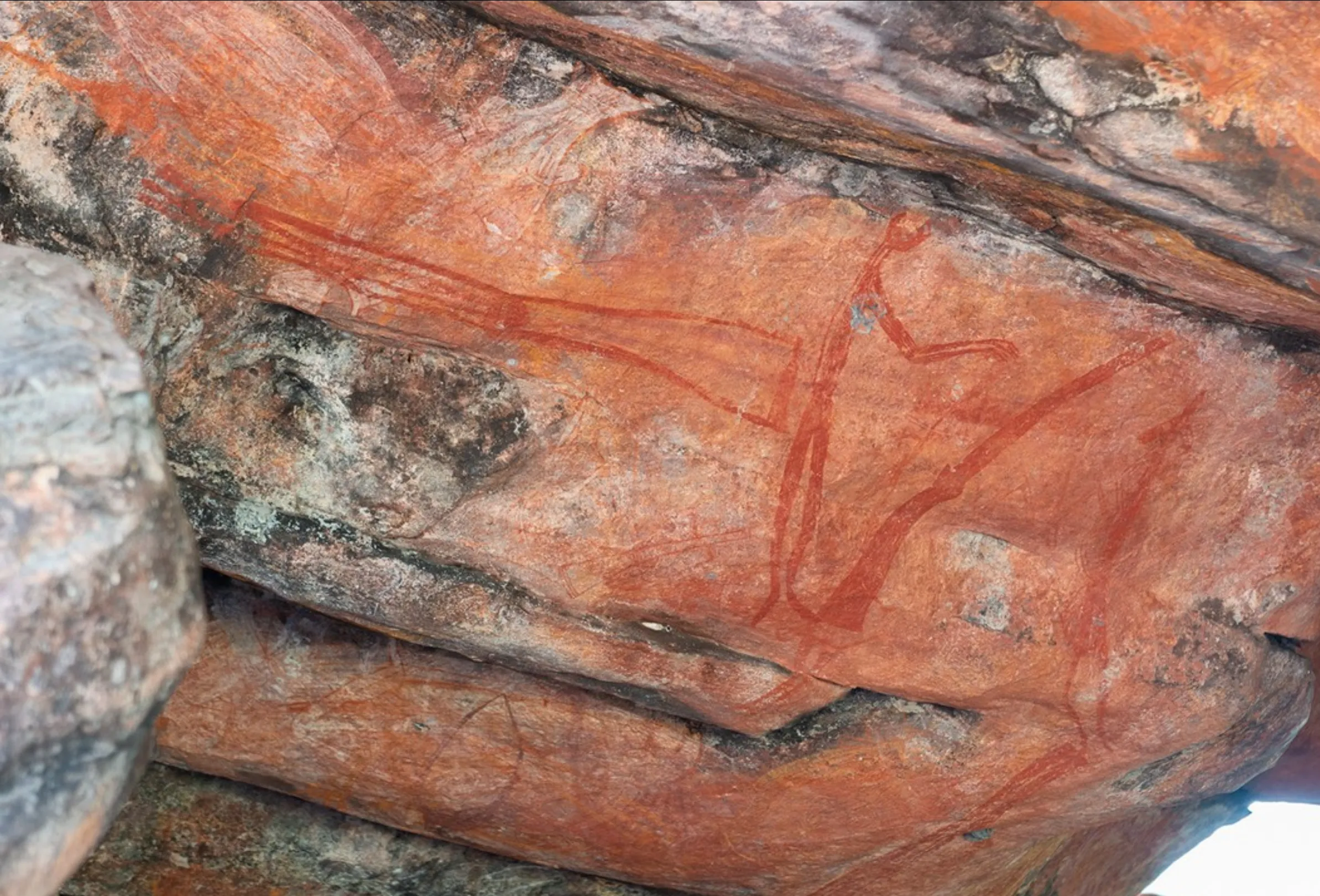
Kakadu National Park in the Northern Territory of Australia is home to some of the oldest and most well-preserved Aboriginal rock art in the world. These ancient artworks on rock shelters and escarpments give a glimpse into the cultural heritage, spiritual beliefs and daily lives of Aboriginal people over 20,000 years. But why is Kakadu rock art so important?
A Treasure Trove of Culture
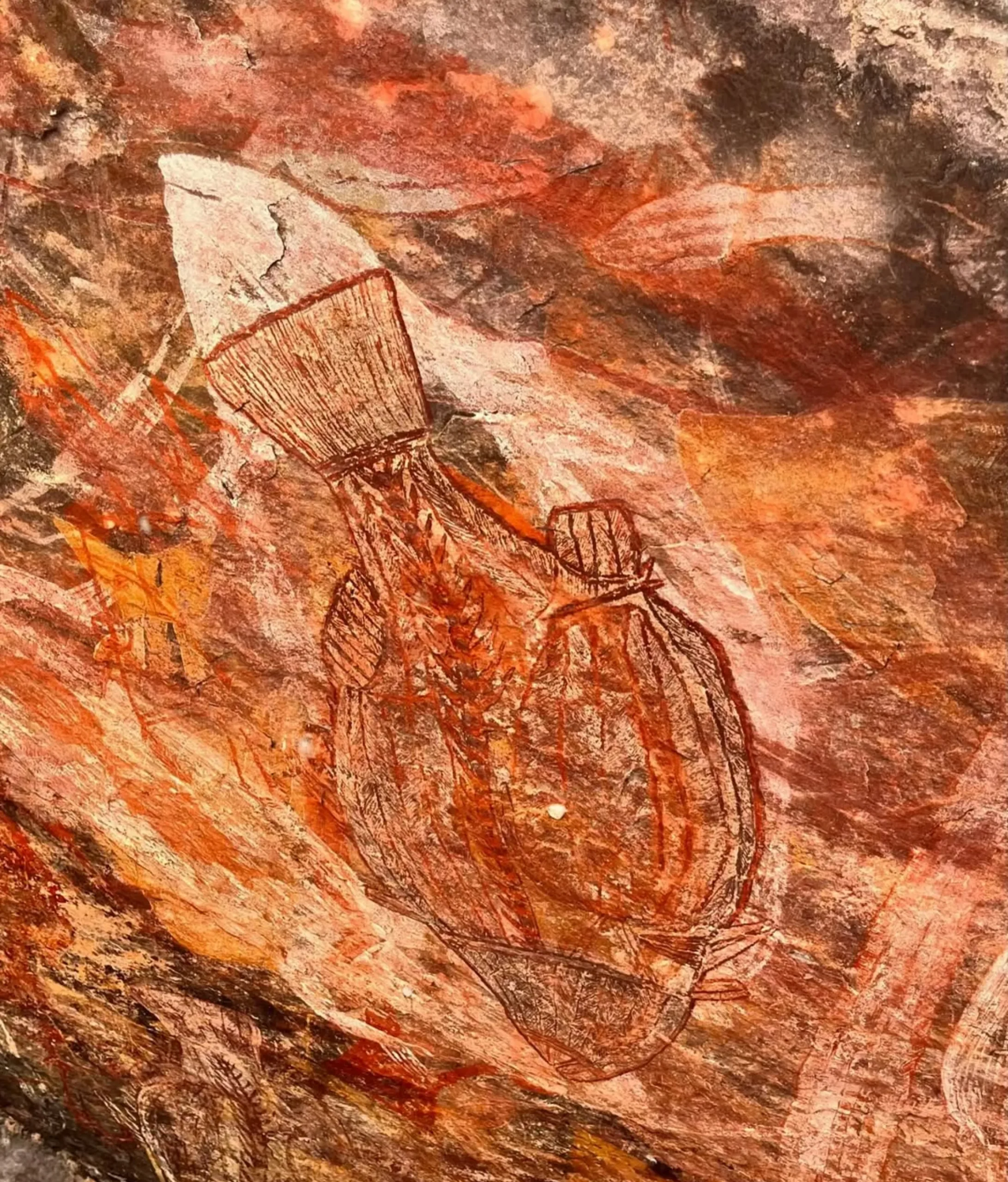
Kakadu rock art is an unreplaceable record of Aboriginal history, showing traditions, customs and beliefs of one of the oldest living cultures on earth. The art is a visual diary of Indigenous life, from hunting techniques and food sources to ceremony and social structures. Some paintings show early contact with European settlers, a unique piece of history. These vast rock art galleries have human figures, animal tracks and fish species, providing insight into Aboriginal life over thousands of years. If you want to see these cultural treasures, take a Kakadu National Park tour and get in-depth insight into the historical and artistic significance of these sites.
Spiritual and Sacred Sites
For Aboriginal people, these rock art sites are not paintings; they are sacred places. Many of the artworks depict ancestral beings and Aboriginal creation stories that are still an integral part of Aboriginal belief systems and culture. Sites like Nourlangie Rock Art and Arnhem Land rock art have sorcery paintings and spiritual beings, so they are culturally and spiritually significant. They are a bridge between the past, present and future. Darwin Day Trips to Kakadu allow you to see these sacred places and gain a deeper understanding of Aboriginal spirituality.
A Window into the Past
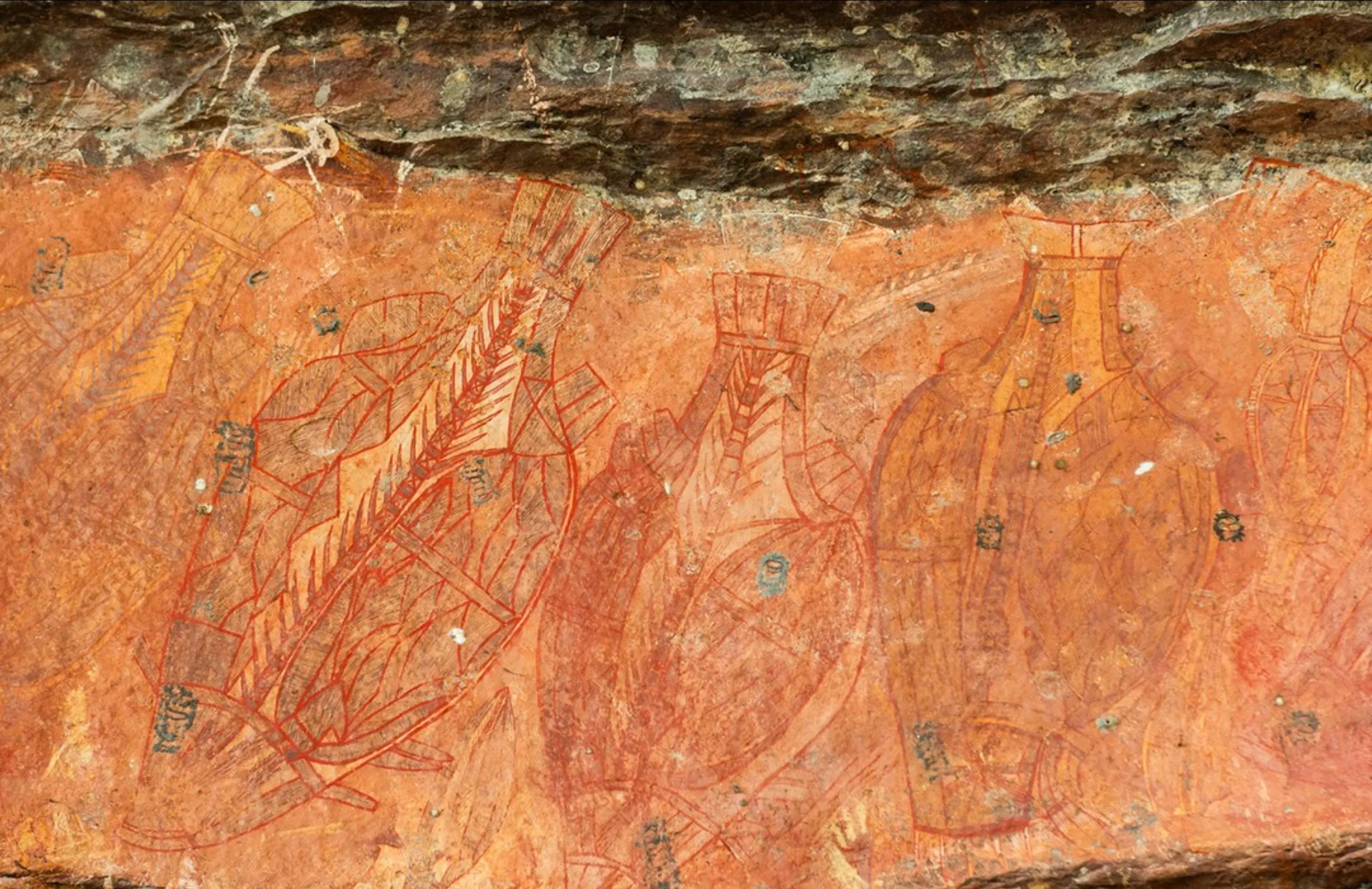
Kakadu rock art is a storehouse of ancient knowledge, showing a sophisticated understanding of environmental patterns, fish species, animal behaviour, and seasonal changes. Many of the paintings are of native wildlife, including fish, turtles and kangaroos, some of which are now extinct. This artistic documentation is a valuable insight into how Indigenous Australians adapted to environmental change over thousands of years. Stick figures, ‘x-ray’ fish and other Aboriginal rock art show the timeline of artistic evolution, making Kakadu one of the most important archaeological records of Aboriginal culture. 1 Day Kakadu tours from Darwin are a quick and easy way to see these amazing artworks and learn about their history.
UNESCO World Heritage
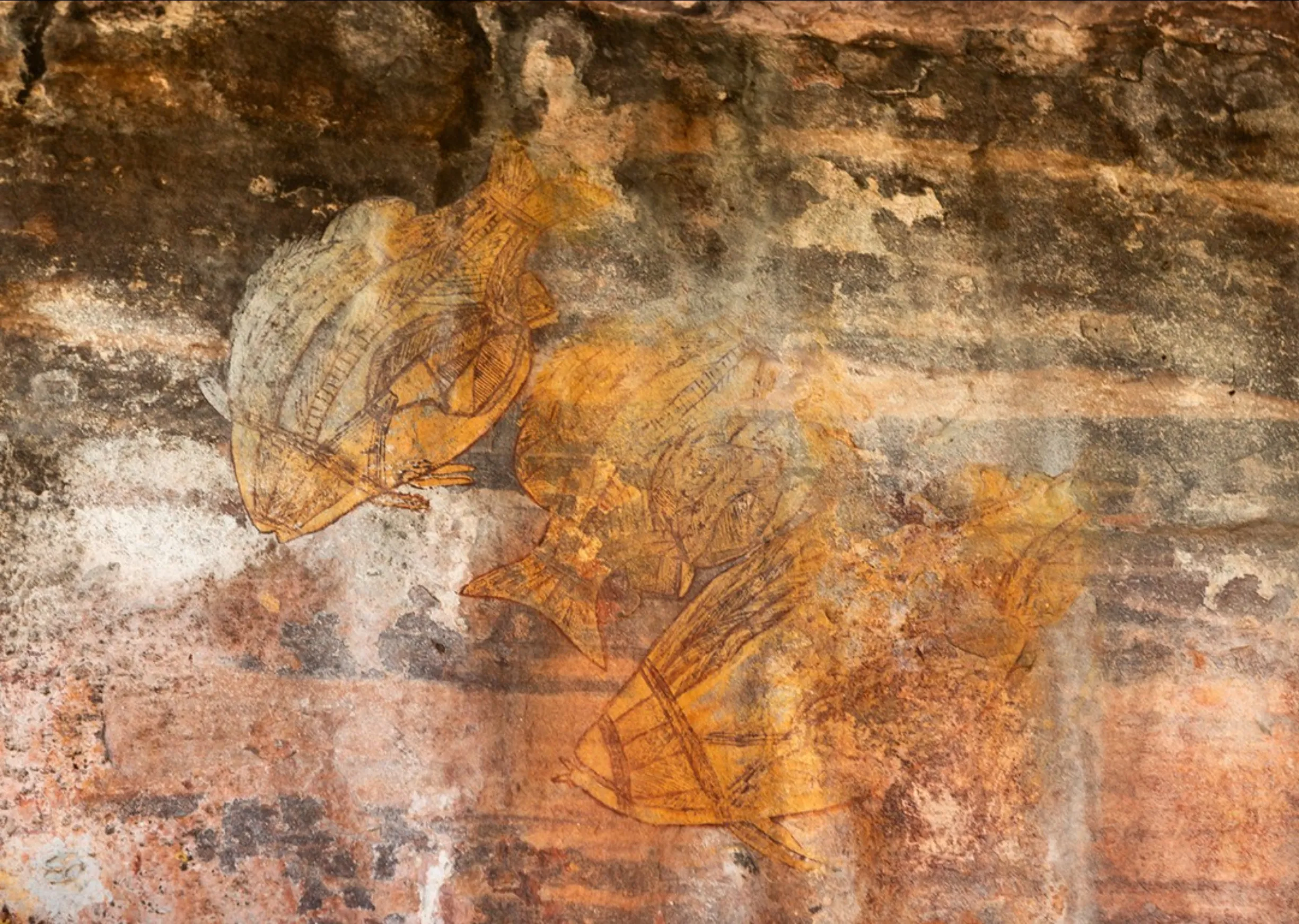
Kakadu National Park is a UNESCO World Heritage site, protected for its cultural and natural values. The rock art is part of its global significance, attracting researchers, historians and visitors who want to learn about Aboriginal heritage. The rock art researchers and national park managers continue to study and conserve the rock art, and sites like the rock art gallery at Nourlangie Rock are some of the most famous painting sites, attracting non-Aboriginal people who want to understand the depth of Aboriginal culture. Kakadu Day Tours trip planning is a great way to experience the park’s artistic and natural heritage.
Tourism and Education

Kakadu’s rock art is a key part of Indigenous-led tourism, allowing visitors to connect with Aboriginal culture in a real way. Guided tours by knowledgeable Aboriginal guides give tourists insight into the stories, meanings and traditions behind the art. Visitors can visit rock gallery sites, Victorian rock art styles and cave painting sites that tell funny stories and aspects of Aboriginal life. Parks Australia and Park Rangers can provide trip-planning advice to help tourists get to cultural heritage sites such as the Warradjan Aboriginal Cultural Centre and Bowali Visitor Centre, where visitors can learn about the archaeology of rock paintings and Aboriginal rock art facts. For a more in-depth cultural experience 5 day Kakadu tours from Darwin allow you to visit multiple rock art sites, meet Aboriginal guides and take in the full impact of the park and its history.
Keeping Kakadu’s Rock Art for the Future
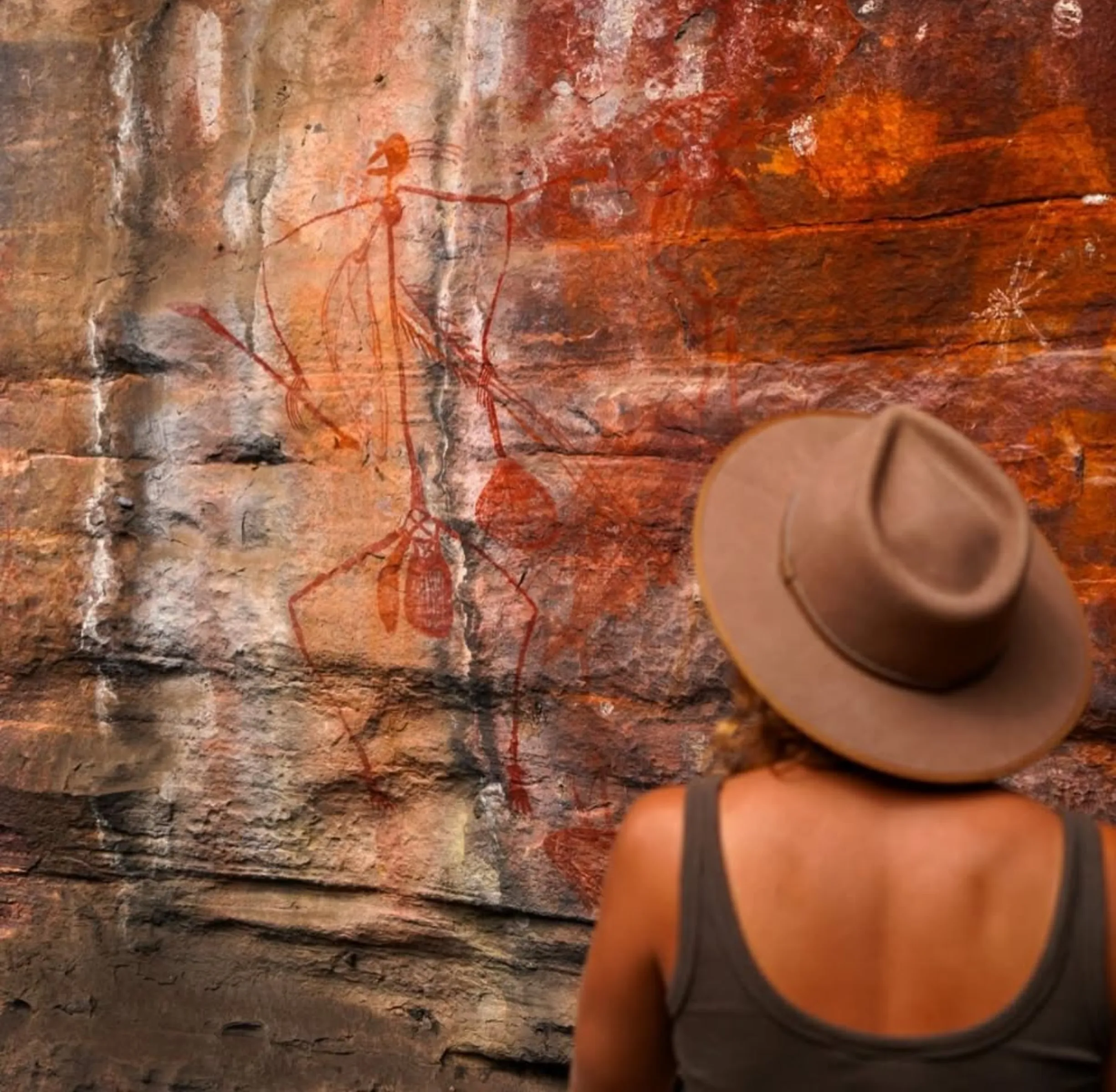
Despite their durability, Kakadu’s rock paintings are vulnerable to weather, climate change and human impact. The dry season and wet season cause different rates of erosion, and feral animals can disturb sacred sites. Conservation efforts, led by Traditional Owners, national park managers and archaeological experts, focus on protecting these precious artworks for future generations. Through ongoing research, education and responsible tourism, we can help keep these incredible records of human history intact.
Kakadu’s rock art is a testament to the enduring culture and wisdom of Australia’s Indigenous people. It’s more than art – it’s a living archive of knowledge, history and spirituality that continues to inspire and educate the world today. These ancient paintings found in land rock art and plateau rock art sites are historical records that help preserve Aboriginal heritage for future generations.
Frequently Asked Questions
What’s so special about Kakadu rock art?
Kakadu rock art is one of the oldest and best preserved Aboriginal art in the world, over 20,000 years old. The paintings show daily life, spiritual beliefs and ancestral beings, so you can learn about Aboriginal culture and history.
Where can I see rock art in Kakadu National Park?
Some of the most popular rock art sites in Kakadu National Park are Ubirr, Nourlangie Rock and Burrungkuy (Nourlangie Rock Art Site). These sites have extensive rock art galleries with ancient paintings and Aboriginal rock designs.
How can I get to Kakadu rock art sites?
You can visit Kakadu rock art sites on your own, on a guided tour or cultural experience with an Aboriginal guide. Options like 1 Day Kakadu from Darwin or 5 Day Kakadu from Darwin make it easy to see the rock art and learn about its meaning.
Why is rock art conservation important?
Rock art conservation is important so we can keep these ancient paintings for future generations. Environmental factors, climate change and human activity can damage the artworks. National Park managers, Traditional Owners and researchers use rock art conservation methods to protect these cultural treasures.
Best time to visit Kakadu rock art sites?
Best time to visit Kakadu rock art sites is during the dry season (May to October) when access to the park is easier and guided tours are available. Darwin Day Trips to Kakadu or longer tours allow you to see the beautiful scenery and culture of the park.